From grief to giving: How Pilgrims Hospices helped author David Dye navigate loss and find purpose
“Pilgrims Hospices is very special to me. I find it hard to explain why — because it’s more of a feeling than something you can describe. But when you’ve been touched by the kind of care they offer, it stays with you forever.”
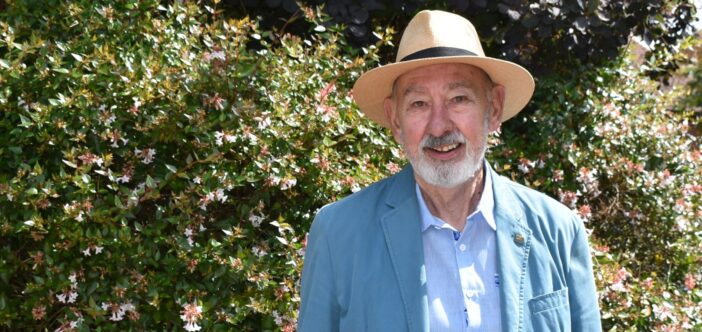
For Faversham-based author and Pilgrims supporter David Dye, the journey of grief, healing, and rediscovery began with profound loss — and grew into something lasting and meaningful, thanks to the care and comfort he and his wife, Karen, received from Pilgrims Hospices.
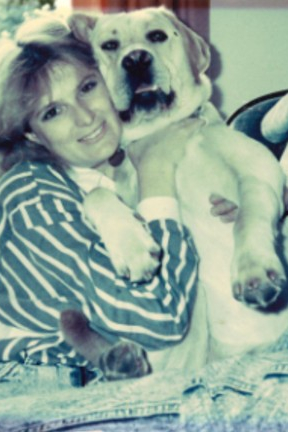
Karen died in June 2021 after a 10-year battle with an extremely rare and cruel form of cancer. Her illness was long and relentless, involving aggressive treatments, years of clinical trials, and even a complete blood transplant. “What she endured sometimes felt like more torture than the illness itself,” David reflects. “But she faced it all with dignity and extraordinary strength.”
Throughout the last five years of her life, Pilgrims was a constant support — not just for Karen, but for David, too. “They gave us dignity, peace, and a calm, caring environment when we needed it most. The staff and volunteers at Pilgrims have provided end-of-life care for several of my loved ones. Their spirit, soul, and sincere friendship go far beyond professionalism — they offer true humanity. I believe I’ve earned the right to say that.”
In the early weeks after Karen passed, David found himself at a loss. “I was sitting at the kitchen table, feeling utterly useless, shuffling through paperwork to find something — anything — to focus on.”
That’s when he came across a hand-written memoir by his late mother-in-law. It described her early life in South Africa — the lake she lived beside, the canoe she paddled in each day. “Her words were so vivid, I felt I was standing on the lake’s edge, watching her glide by. It pulled me out of my darkness.”
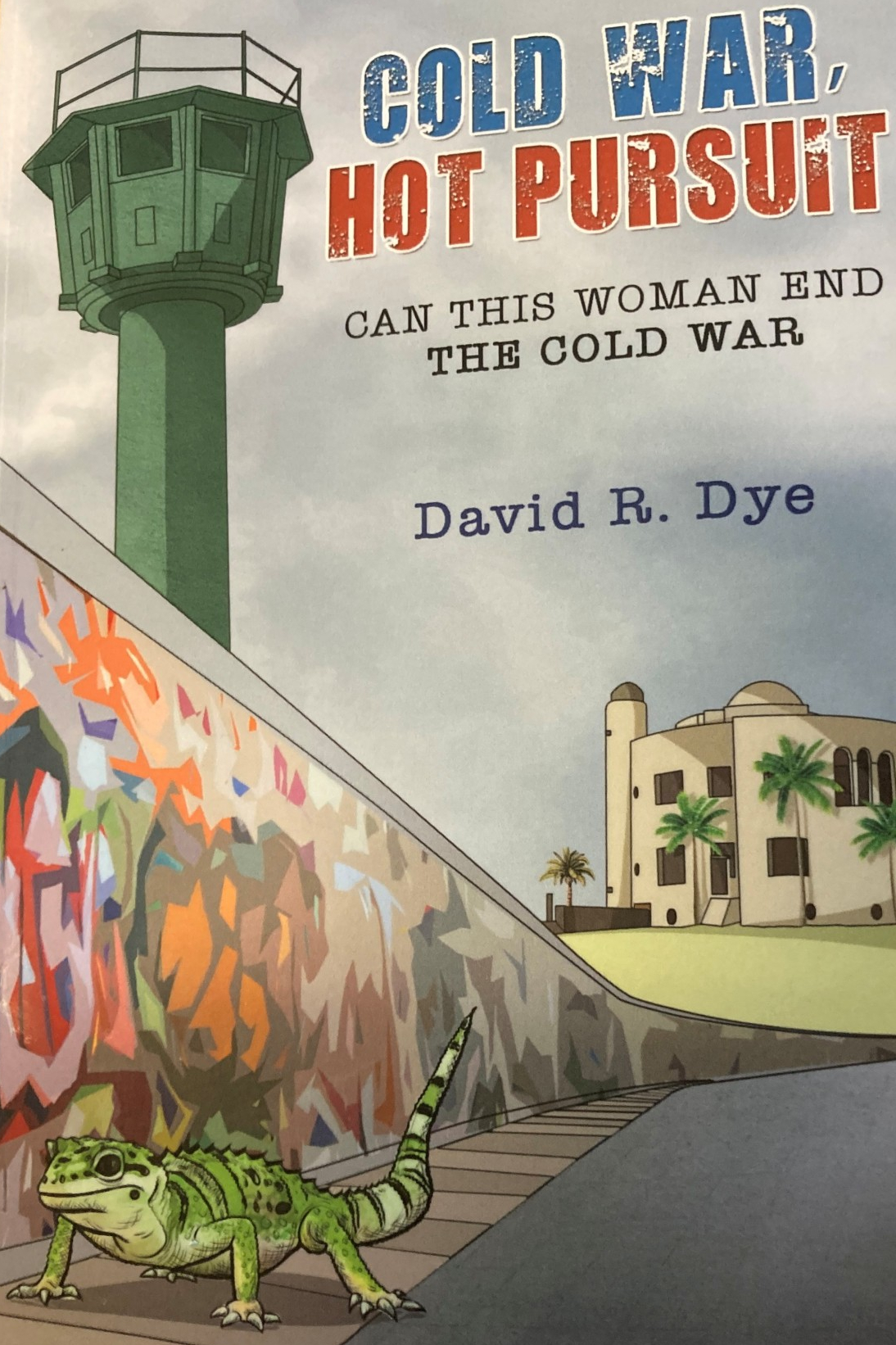
Inspired, David began to write — at first about his own early life growing up in the concrete jungle of East London. He admits those first 20 pages felt “grey and dismal” in comparison to the colour of his mother-in-law’s writing. But he persisted, scrapping half of it and pressing on. “Soon, reality began to blur into fiction. I was no longer writing a memoir — I had set sail for fantasy land.”
That moment became the start of a new chapter.
Four years later, David has published four novels and recently submitted a fifth. All proceeds from book sales — amounting to thousands of pounds — are donated to Pilgrims Hospices. “Karen told me in a dream not to be tight — to give it all to Pilgrims. And I’ve learned not to argue with her!”
David writes entirely by hand. “I tried the computer but tip-tapping doesn’t take me where I need to go. Writing with a pen lets me drift into other worlds.” Thanks to the help of a brilliant local typist and a supportive publisher, his stories now reach readers far and wide — always with Karen’s memory at their core.
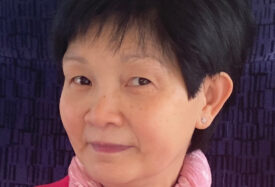
Karen, born and raised in Canterbury, was a beautiful, modest, athletic woman. She was a star of the Archbishop’s School rounders team and a gifted high diver, training at Crystal Palace. She once stunned a poolside crowd in Tunisia by performing a flawless triple somersault from the highest board.
“She was never pretentious,” David recalls. “Just quietly, incredibly capable.”
But it was her love for horses — and all animals — that defined her. A brilliant equestrian, she competed across the country and amassed an impressive collection of rosettes and medals.
“I’m still trying to gather them all for storage,” David says. “It’s not easy.”
One of David’s most powerful memories — fictionalised in his first book — is of a sunset trail ride on a working ranch near Phoenix, Arizona. When a Dobermann puppy was attacked by a pack of coyotes, Karen jumped off her horse, tied the terrified pup to her saddle, and kicked away the circling animals as David watched in awe and fear. “My heart was pounding so hard, I think it reached the ranch before I did. But that’s who she was — brave beyond belief.”
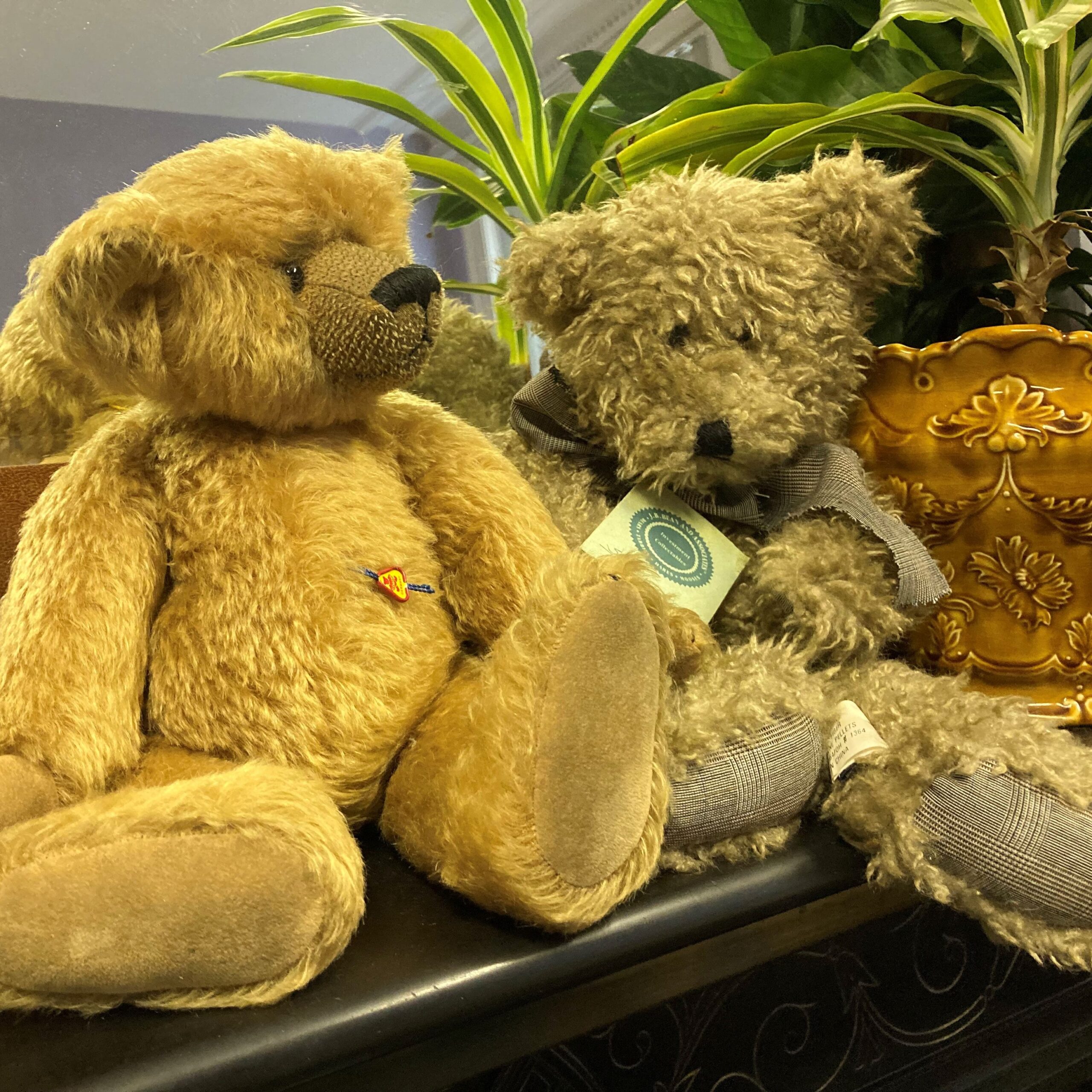
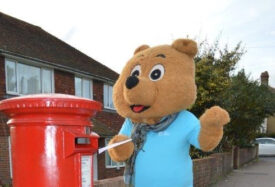
Recently, David donated a treasured collection of Karen’s teddy bears to Pilgrims Hospices. Each one is carefully tagged and lovingly prepared for use in fundraising events, or listed on Pilgrims’ eBay site, where rare and collectible bears can raise vital funds.
Family remains at the centre of David’s life.
His son Matthew, who has cerebral palsy, lives independently in Ramsgate and once volunteered at Pilgrims Hospices during a school work placement. David later joined him in hospital volunteering before the COVID-19 pandemic, bringing comfort and treats to patients on the dialysis ward. His daughter has recently returned to the UK with David’s granddaughter to finish her education — and the family’s connection to Kent remains strong.
From his early days working at Simpsons of Piccadilly — where a colleague later modelled the character Mr. Lucas in Are You Being Served? after him — to high-level roles in the finance industry that took him and Karen around the globe, David’s life has been colourful and varied. But the loss of Karen, and the compassionate care they received at Pilgrims, changed everything.
Today, David continues to honour her legacy through creativity, charity, and community. In his garden grow Cercis trees — chosen for their heart-shaped, crimson leaves — planted in memory of Karen.
“If I ever move,” he says, “those trees are coming with me.”
“We’re all in the queue to meet our maker — whether we talk about it or not. But when that moment comes, Pilgrims are there to help us through. That kind of comfort is beyond value. I’ll support them as long as I live.”