Forty years of kindness: Pilgrims nurse reflects on a lifetime of care
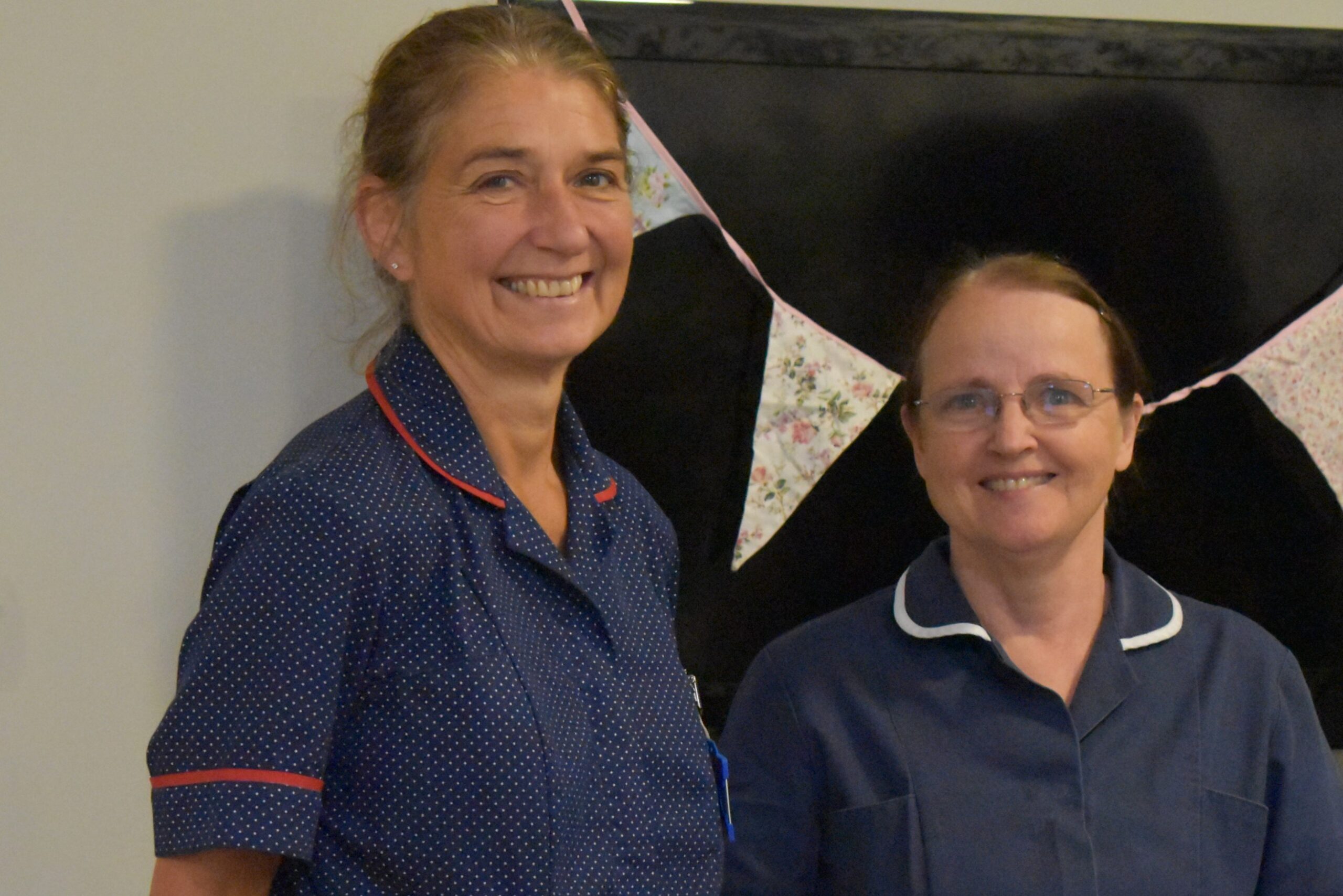
A Pilgrims Hospices nurse is celebrating an incredible 40 years with the charity, marking a lifetime dedicated to supporting patients and families during some of their most difficult moments.
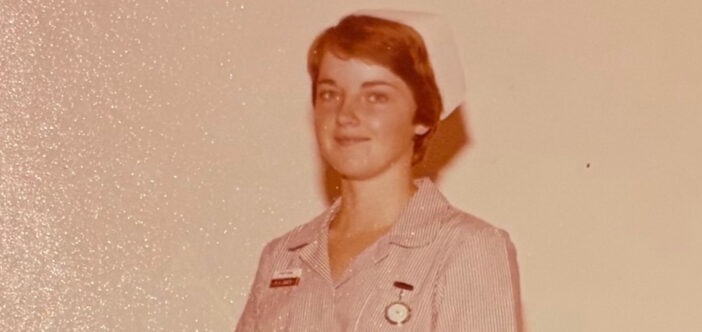
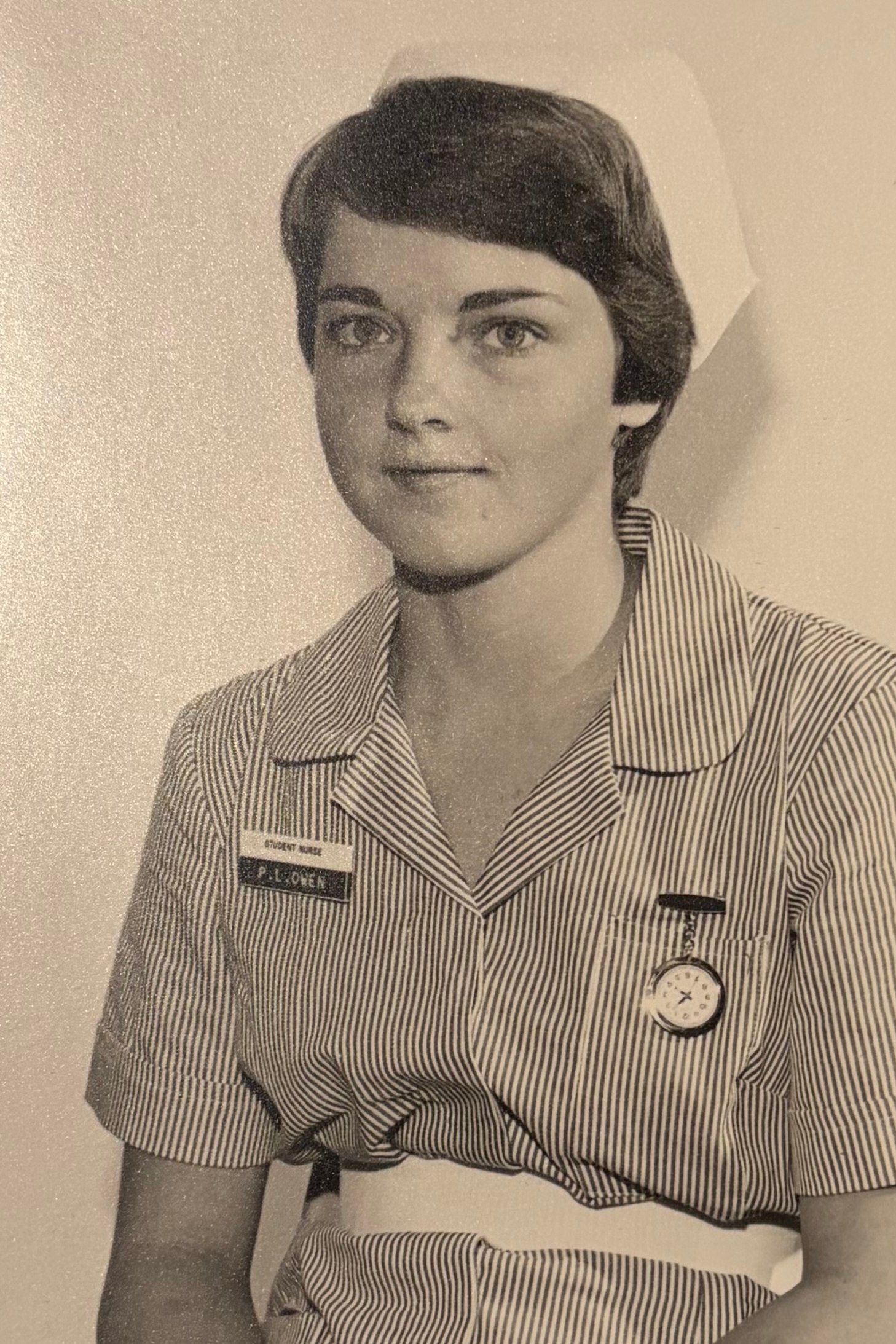
Tricia in her early nursing career
Tricia Ash joined Pilgrims Hospice Canterbury in September 1986, following a nursing career that began six years earlier at King’s College Hospital in London. Now, after 46 years in nursing, she continues to feel the same passion and sense of purpose that inspired her at the beginning of her journey.
“I always thought I would go into some sort of medical profession,” says Tricia. “My mother was a nurse and my father was a doctor, so it felt like a natural path for me. Looking back, it was definitely the right decision.”
During her nursing training, Tricia attended a lecture by Dame Cicely Saunders, founder of the modern hospice movement, which inspired her to pursue a career in hospice care.
“I remember sitting there thinking, ‘This is the type of nursing that I want to do.’ I wanted to work somewhere where there was no drama, where you could spend time with patients and where care was truly centred around the individual.”
After gaining experience at St Christopher’s Hospice in London, Tricia moved to Kent and began her career with Pilgrims, where she has cared for countless patients and families over four decades.
For Tricia, hospice nursing remains a privilege.
“Being able to walk alongside a patient and their family when they are facing some of the hardest times of their lives is something I never take for granted. As part of the community team, I also feel incredibly privileged to go into people’s homes and support them there.”
Tricia Ash 6x4 5
Tricia Ash 6x4 4
Tricia Ash 6x4 3
Tricia Ash 6x4 1
Tricia Ash 6x4 2
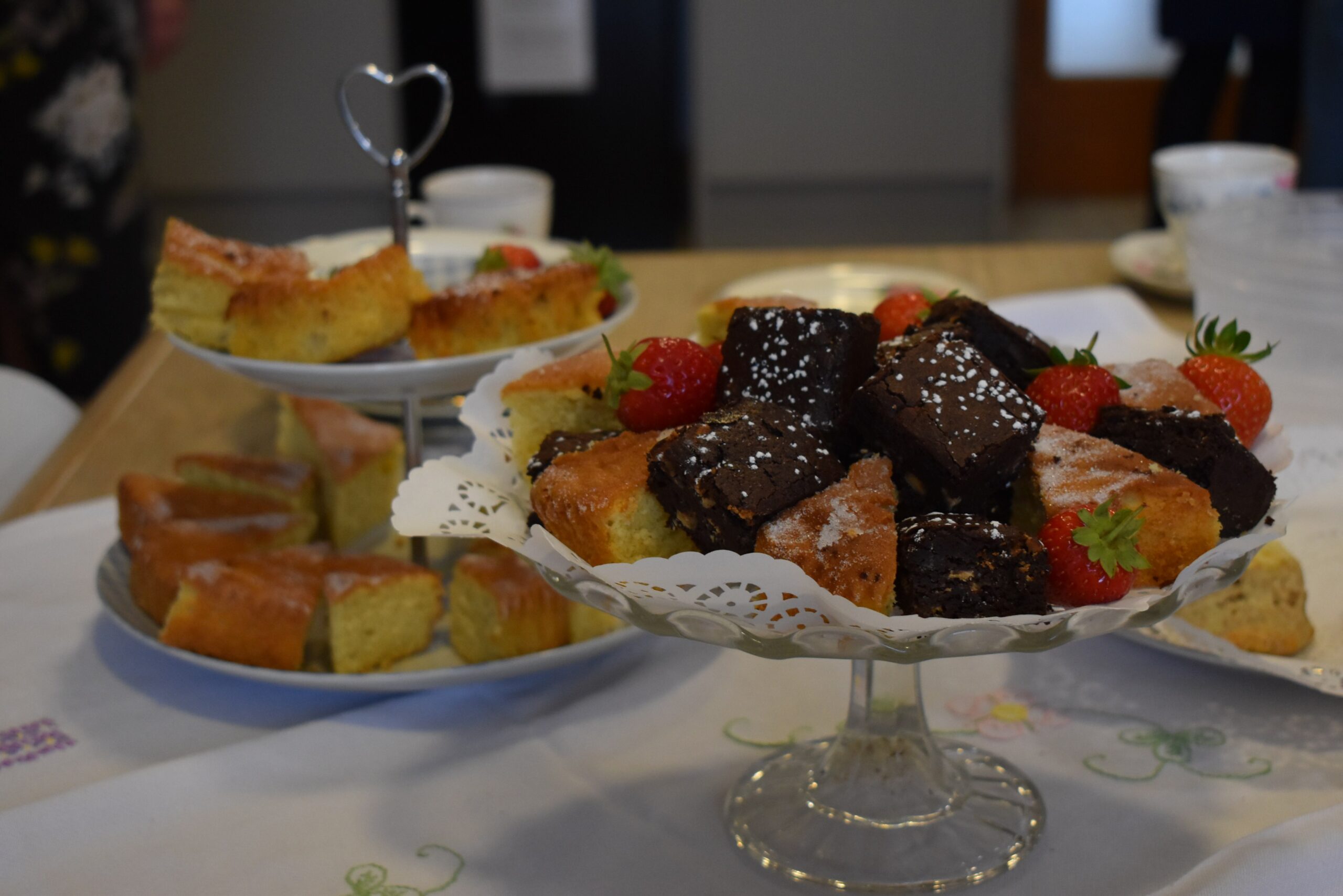
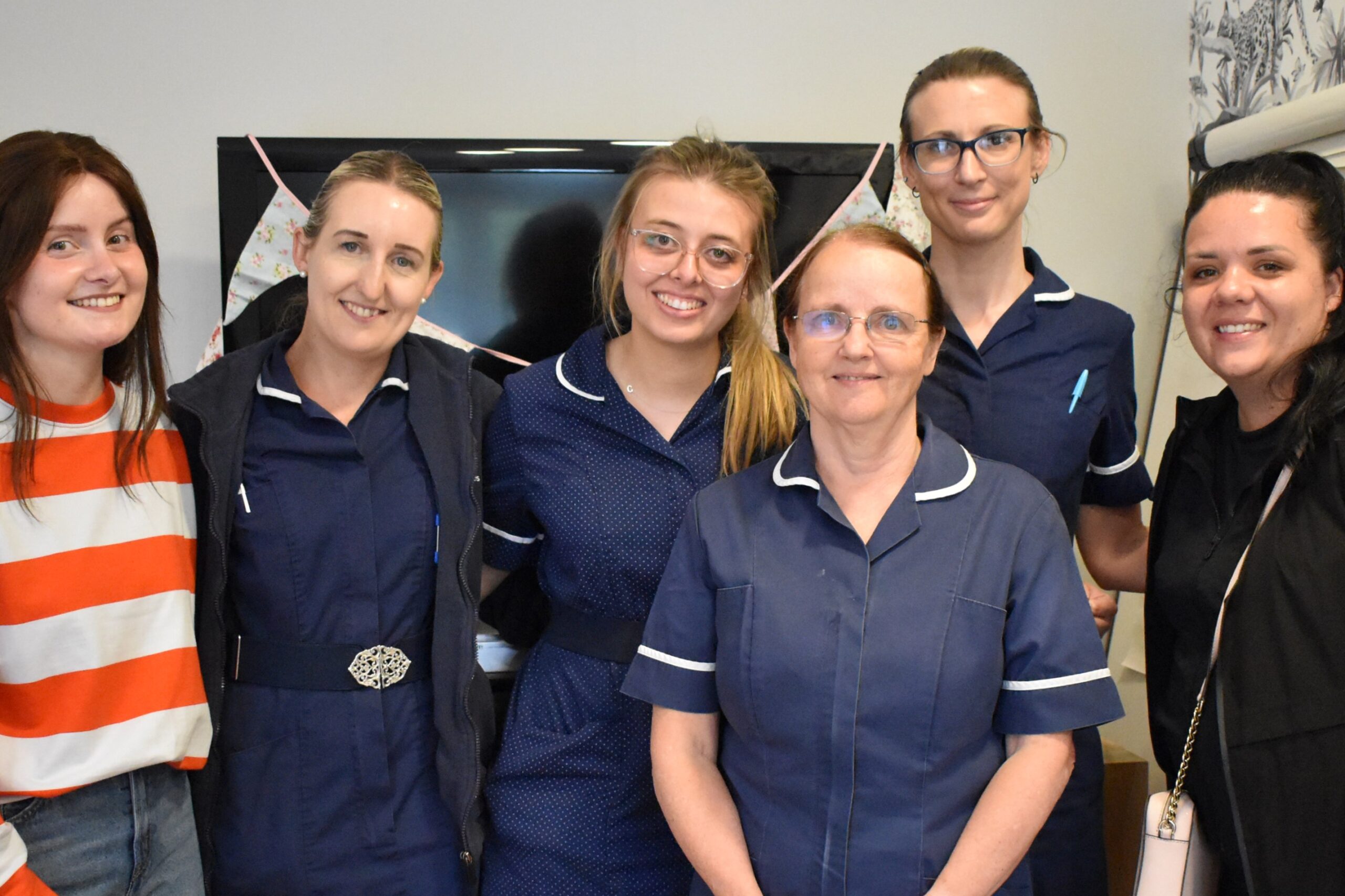
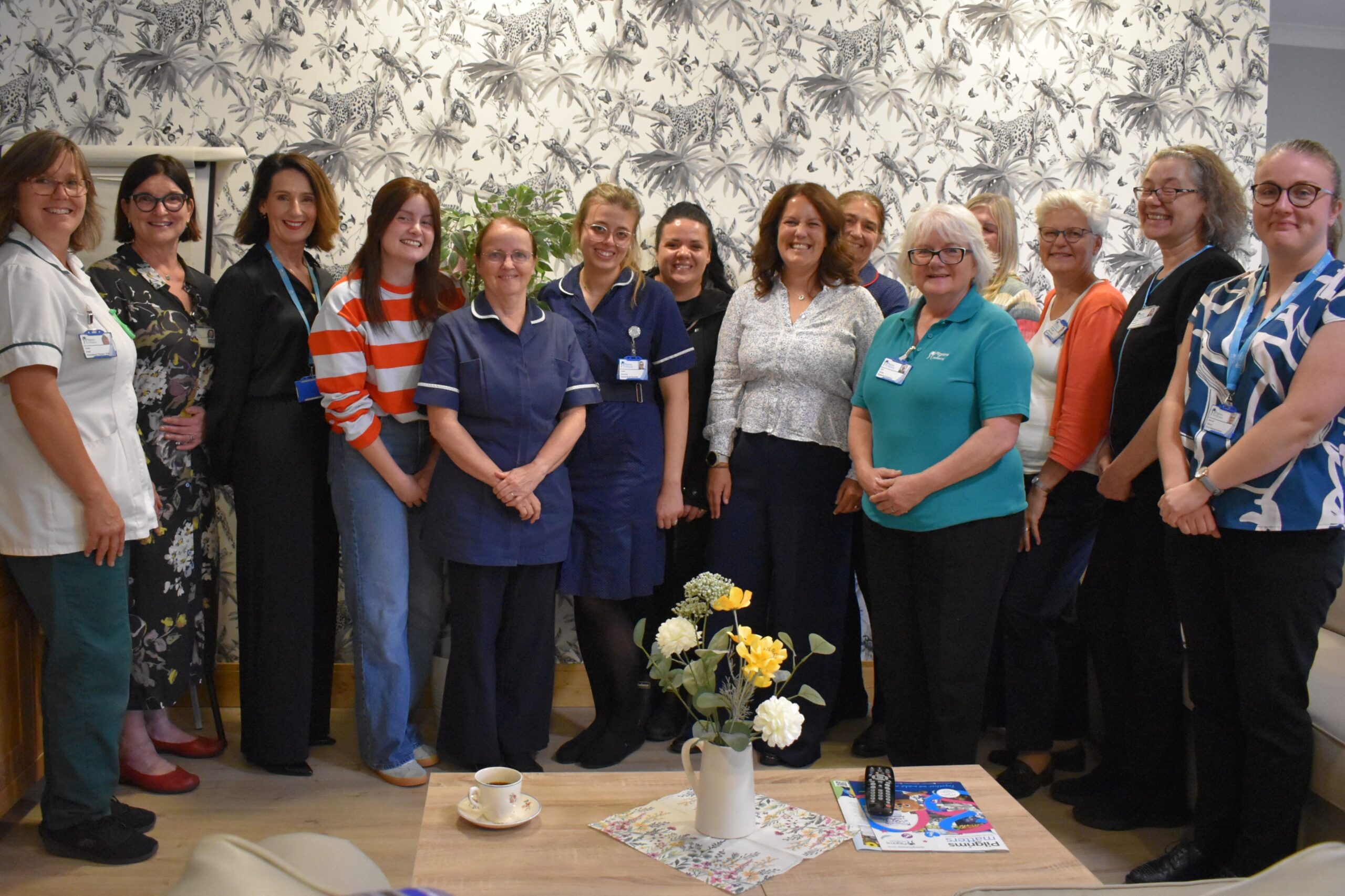
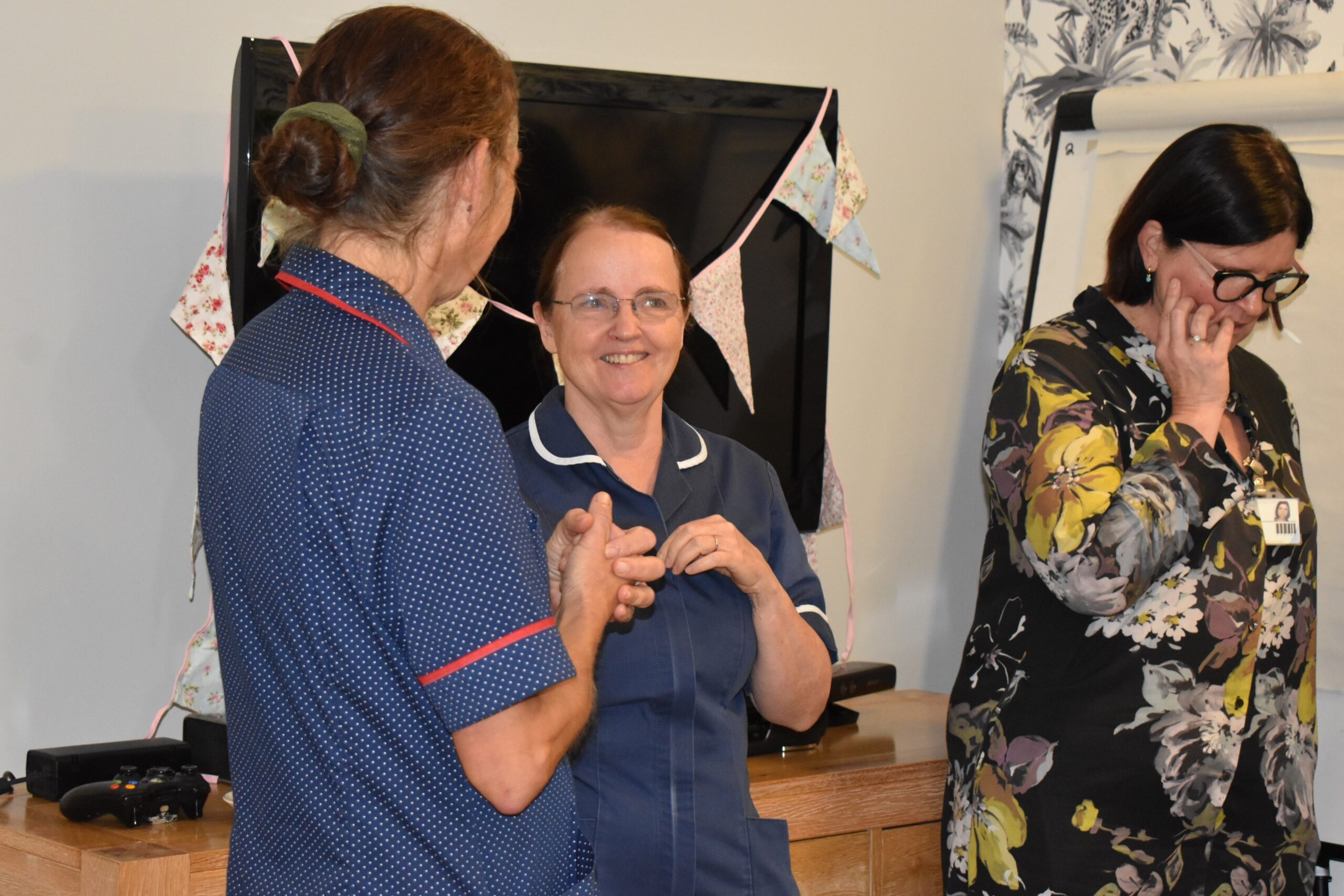
Tricia enjoyed a tea party with colleagues to celebrate her anniversary
Sarah Martins, Pilgrims Hospices Deputy Head of Nursing, said:
“For 40 years, Tricia has supported countless patients and their loved ones across her various roles. Always kind, patient and thorough, she has truly embodied the principles of hospice care, keeping our core values at the heart of all she does.
“Guiding and supporting colleagues throughout their professional journeys at Pilgrims has been an important part of helping to develop the next generation of our team. I know they have greatly appreciated Tricia’s calm and methodical approach, alongside the wealth of wisdom and experience she has always been so generous in sharing.
“Tricia has evolved alongside the hospice, witnessing many changes within our service and the wider healthcare system. Throughout this time, she has kept her practice up to date while ensuring that care, compassion and dignity remain at the heart of her nursing.
“It has been a privilege to work alongside her, and I know she has the utmost respect of the wider team for her knowledge, understanding and steady approach. Whether supporting patients over the phone or face to face, Tricia ensures they feel heard, valued and cared for, particularly at some of the most difficult times in their lives.
“Congratulations on reaching such a significant milestone, Tricia. It’s a huge achievement.”
Tricia
Throughout her career, Tricia has witnessed many changes in nursing, but believes the most important qualities remain the same:
“Being organised, listening well and appearing calm and unrushed, even when you are very busy, are all important qualities of a great nurse.”
She says one of the things she values most about Pilgrims is the shared commitment across the organisation:
“I love the fact that everyone in the Pilgrims team has the patient and their family at the centre of everything they do. Everyone has the same focus and supports each other so much.”
After 46 years in nursing, Tricia still finds every day rewarding:
“No two days are the same. I genuinely feel that I learn something new every day, which is one of the things I love about the job. It is incredibly rewarding looking after people.”
Reflecting on what reaching 40 years with Pilgrims means to her, Tricia says:
“It has given me a wonderful insight into different people’s lives, and this has given me more than I have given.”
Tricia’s family describe her as patient, kind, calm and caring, qualities that have undoubtedly touched the lives of many patients, families and colleagues throughout her remarkable nursing journey.
Pilgrims Hospices provides compassionate, specialist care free of charge to thousands of people in east Kent each year who are living with life-limiting conditions. Support is offered in patients’ homes, in the community, and at our three hospice sites in Canterbury, Thanet and Ashford. We also run a 24-hour advice line.
5th October 2026
Remembering our dads with love: Yat and Claire’s story
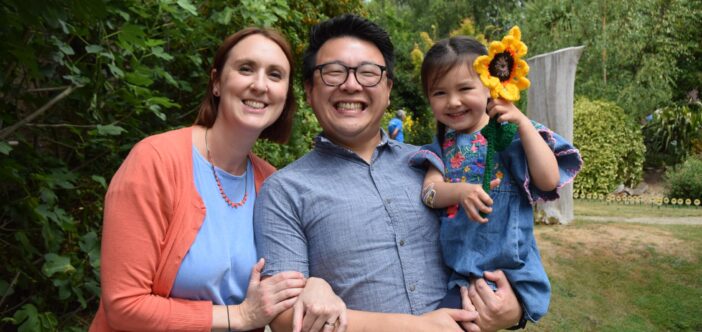
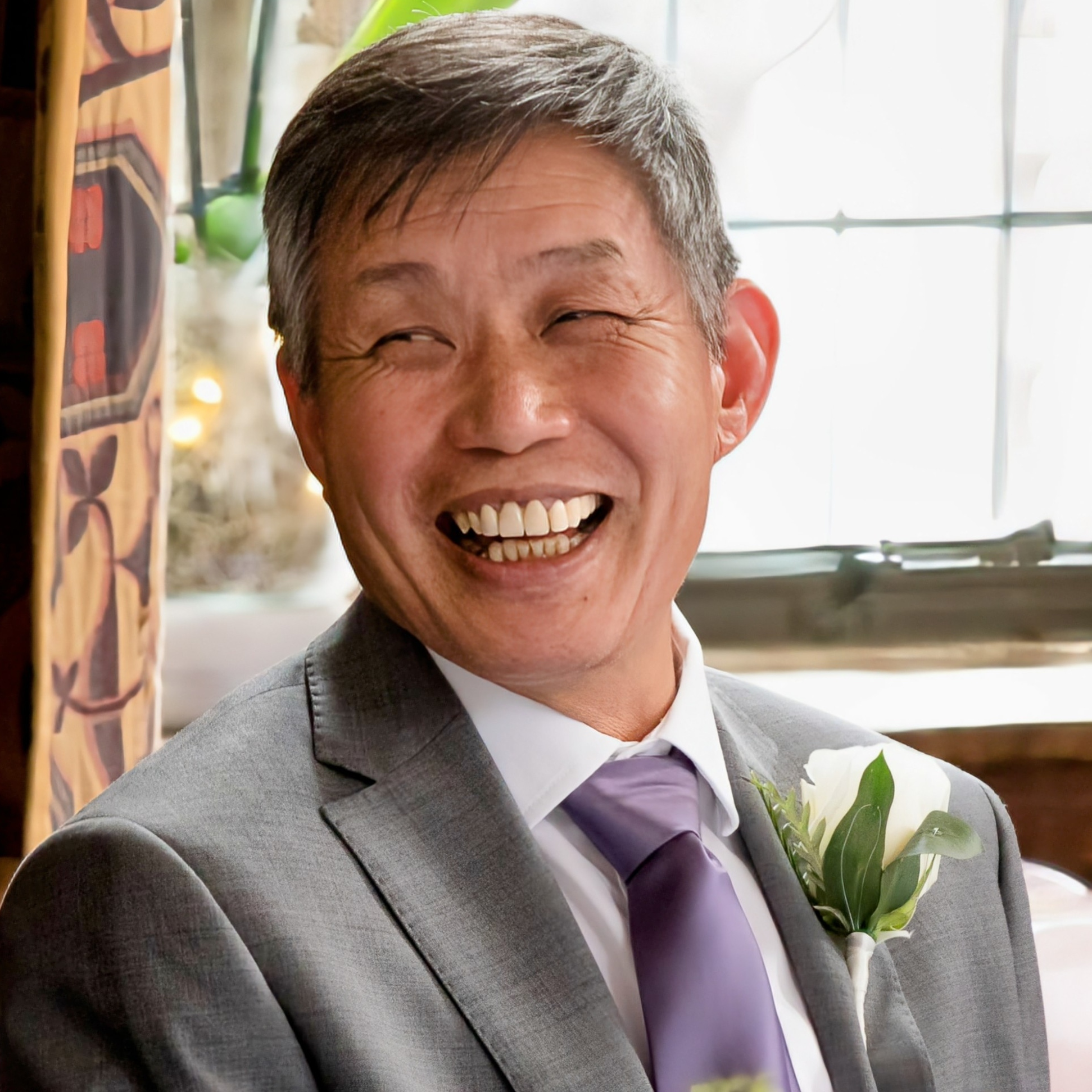
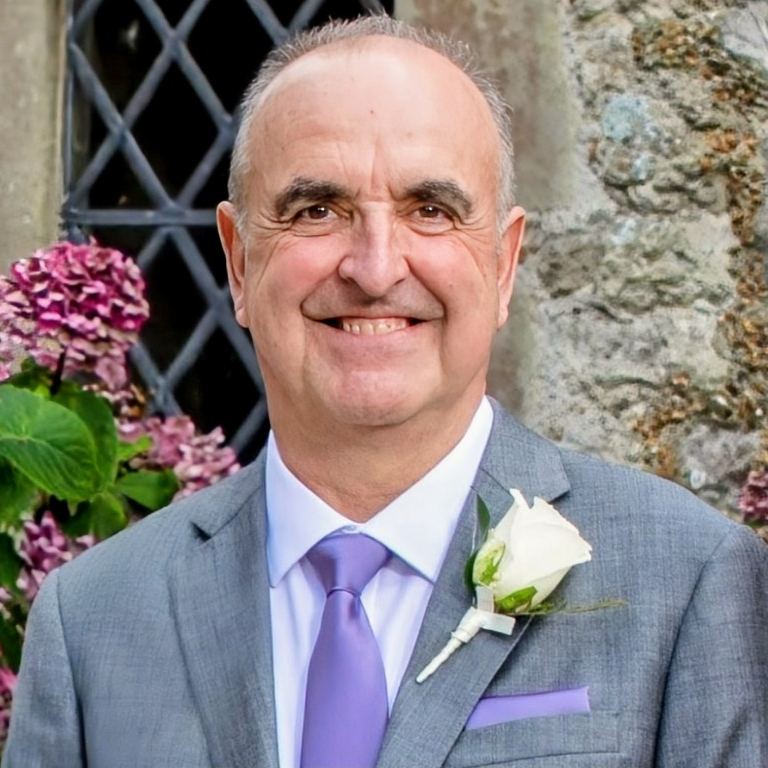
Yat and Claire Lee from Herne Bay support Pilgrims Hospices in memory of their fathers, Wai Lung Lee and David Ingrey, who were cared for at the Canterbury hospice within 12 months of each other – Wai Lung in December 2024, and David in September-October 2025.
The family felt so supported by Pilgrims, both during Wai Lung and David’s illnesses and after their deaths, that they are keen to give back; they want to help ensure that other local families can receive the same compassionate care.
Yat’s father, Wai Lung
Yat, Claire and their 3-year-old daughter, April, attended Sunflower Memories at the Canterbury hospice in July 2026. The event provides an opportunity to dedicate memory markers to Wai Lung and David, which are planted in the hospice gardens, and spend a summer’s afternoon reflecting and remembering with love.
Yat said:
“It was such a lovely and poignant day for us. As April is still so young, she doesn’t yet fully understand the significance of the day or how much it means to both of us.
“The support that my mother, my four siblings, and I received during Dad’s time at the hospice was truly indescribable. The team at Pilgrims, along with the support from their Stepping Stones services, helped us through one of the most difficult periods of our lives.
Claire’s father, David
“When my father-in-law, David, was referred to the hospice, we experienced the same outstanding level of care, compassion, and support that I had witnessed a year earlier.
“With both bereavements happening less than a year apart, it was very difficult. Without Pilgrims’ help, we don’t know how we would have coped.
“We feel we owe so much to the staff at Pilgrims. They made the remaining time both our fathers had as comfortable and dignified as possible, and that is something our families will never forget.
“It’s so important to raise awareness of the incredible work Pilgrims does, which is why we want to share our story.”
Pilgrims Hospices provides compassionate, specialist care free of charge to thousands of people in east Kent each year who are living with life-limiting conditions. Support is offered in patients’ homes, in the community, and at our three hospice sites in Canterbury, Thanet and Ashford. We also run a 24-hour advice line.
Each year, Pilgrims Hospices support thousands of people across east Kent who are living with life-limiting conditions.
Although hospice care is often associated with beds on in-patient wards, much of Pilgrims’ care takes place in the community – in people’s own homes, and in care homes.
Thanks to skilled, compassionate and dedicated community teams, Pilgrims is able to bring hospice care directly to patients who wish to remain at home, or in familiar surroundings, rather than be on a ward. This includes Hospice at Home, a team of Healthcare Assistants (HCAs) who attend to patients who are at the very end of their life and/or who have suddenly, rapidly deteriorated.
Jo Cottam, a retired NHS Senior Manager turned holiday let owner from Tenterden, experienced Pilgrims’ community care after her mum, Patricia Edwards, was diagnosed with vascular dementia. She shares how Pilgrims supported her mum and their family at the end of Patricia’s life.
Jo shares her story:
“In 2019, my mother was diagnosed with vascular dementia. She lived in a charming cottage on our property, spending her days with us in the main house and returning to her cottage at night.
In early July 2025, Mum’s health took a concerning turn. She stopped eating for about a week, drank less than we hoped, and lost her mobility, making walking (especially navigating steps between our house and her cottage) extremely difficult and distressing for her. My husband, Simon, and her carer, Steve, provided essential support, but we grew increasingly worried.
We decided to keep Mum in her cottage full-time, as moving her was too challenging. This meant constant supervision, as she couldn’t be left alone. Encouraging her to take fluids was a slow, painstaking process of syringing small amounts into her mouth. On 10 July, we called our GP, who visited promptly. He prescribed antibiotics for a possible UTI, end-of-life medications, and arranged a referral to Pilgrims’ Hospice at Home team.
Jo’s mum, Patricia
After a three-day course of antibiotics, Mum began to improve, slowly resuming eating and drinking.
Soon after, I received a call offering additional care support, which we desperately needed. Mum required physical assistance to move between her bed and sofa, constant prompting to eat and drink, and round-the-clock supervision.
Unfortunately, the caller later informed us that no additional care could be arranged immediately, though an equipment assessment was scheduled for the next day.
To our surprise and relief, that evening, two wonderful Hospice at Home carers, Jo and Sandra, arrived and said they would visit Mum twice daily. I was initially apprehensive, as Mum was used to familiar faces, but Jo and Sandra’s warmth and gentle introductions put her at ease. Mum smiled and co-operated fully, a testament to their kind and professional approach.
Over the next few weeks, every pair of hospice carers who visited showed the same compassion, treating Mum with dignity and respect.
They also supported our family, offering practical advice and emotional reassurance in overwhelming moments.
As a former Senior NHS Manager with over 25 years of experience, and with my husband, a retired Consultant Anaesthetist, we both recognise exceptional care when we see it. The hospice carers delivered first-class service.
We were astonished to learn they travelled significant distances to reach us in Tenterden, covering a vast geographical area. The team, led by the remarkable Mandy Hilden, exemplified dedication. Mandy’s hands-on leadership was inspiring – she never asked her team to do anything she wouldn’t do herself.
The carers went above and beyond, ensuring Mum was clean, dressed in her preferred clothes, and had her hair washed and styled. They made her laugh and calmed her anxieties, especially when she became distressed during repositioning, gently reassuring her even when she grabbed them in fear.
The rapport we built with the hospice carers in such a short time was extraordinary.
On 24 July 2025, Caitlin, a Palliative Specialist Care Nurse from Pilgrims, visited to assess Mum for potential future hospice care. Caitlin’s professional yet friendly demeanour brought smiles to Mum’s face. She patiently explained everything and answered our questions thoroughly. At the time, Caitlin was optimistic about Mum’s condition, believing hospice care wouldn’t be needed soon.
Tragically, on 29 July 2025, Mum passed away suddenly and peacefully at home, with us by her side, holding her hand. Caitlin, upon hearing the news, called to offer her condolences and support. Her kindness, taking the time to listen and guide me toward the hospice’s counselling services, meant the world during such a shocking and painful moment.
Pilgrims is an exceptional organisation, dedicated to supporting individuals with terminal illnesses, offering compassionate care in both community settings and specialised units. They prioritise the needs and dignity of each person, ensuring the highest quality of care during their final days.
Additionally, Pilgrims provides a nurturing environment for families, fostering support and understanding throughout the process.
The hospice team’s communication, care, and support for both Mum and our family were exceptional. We are immensely grateful for this vital service, which relies so heavily on charitable donations. Their compassion and professionalism made an unbearable time more bearable, and we cannot thank them enough.”
Pilgrims Hospices provides compassionate, specialist care free of charge to thousands of people in east Kent each year who are living with life-limiting conditions. Support is offered in patients’ homes, in the community, and at our three hospice sites in Canterbury, Thanet and Ashford. We also run a 24-hour advice line.
8th October 2025
Caring in the community: Stephen and Heather’s Hospice at Home story
When Stephen Coles looks back on the care his wife, Heather, received in her final months, he speaks with deep gratitude for the compassion and tenderness shown by the Pilgrims Hospices Hospice at Home team.
Heather, aged 64, had been living with Parkinson’s and Lewy Body Dementia. She died peacefully at home on 29 July 2025, with her husband by her side.
Heather
Heather had enjoyed a long and dedicated career at Benenden Hospital, where she worked for more than 25 years, most recently as Director of Infection Control, before retiring early due to ill health.
Stephen, who also worked at Benenden, cared for Heather at home in Ashford throughout her last year of life. As Heather became more frail and her needs increased, they were supported first by the Pilgrims community team, and later by the Pilgrims Hospice at Home carers.
Stephen and Heather met online in 2011, and their love story began soon after. They shared their first date at The Tickled Trout in Wye and, as Stephen fondly recalls, they both ordered the same meal of liver and bacon.
“I knew straight away she was the one for me,” he said.
As Heather’s condition progressed, their home was adapted to make caring for her easier, with a hospital bed moved into the downstairs room. Stephen stayed close by her side, sleeping nearby to offer reassurance and comfort.
Stephen and Hannah
Heather’s daughter, Hannah, was also a great support to both her mum and stepdad.
When the Hospice at Home team began visiting, Stephen immediately felt the difference their presence made:
“They didn’t just wash and care for Heather,” he explained. “They did so much more than I expected – washing her hair, tending to her so gently and with such kindness. I found their support really helpful for me, too. The level of care and commitment they showed was exceptional.”
The Hospice at Home team specialises in supporting patients and families at the very end of life, providing comfort, dignity, and peace at home.
Mandy Hilden, Team Lead, said:
“We know this is such a difficult time for those we visit, so we make sure we arrive with the right mindset to help both our patient and their family. We can’t make them better, so let’s make it the best end of life that we can.”
Hannah, a yoga teacher, added her own reflections:
“At first, there was an element of disappointment when we realised Mum was too poorly to be moved to the hospice. But we soon saw what the Hospice at Home team could achieve at home – it was extraordinary. The personalised, gentle care made such a difference. We all felt safe, like a weight had been lifted. There was no rush, just calm, attentive support.”
For Stephen, having the Hospice at Home team alongside them made Heather’s wish to remain in her own home possible, surrounded by love.
“After a difficult and tiring year, we were so pleased to have their support,” he said. “They cared for Heather so tenderly and were there until the very end. It gave us the chance to be with her at home, just as she wanted.”
He added: “Both Heather’s and my own children have been a tower of strength during these early weeks after Heather died. It has been a difficult time for us all, but I’ve felt it important to share the message about this very special element of Pilgrims Hospices care. The Hospice at Home team made Heather’s end-of-life journey as comfortable as possible, and we will always be grateful.”
Heather’s family chose a green burial with close family and friends, followed by a celebration of her life at Eastwell Manor, where Hannah teaches yoga. Almost 200 family, friends and colleagues came together that day to remember Heather and celebrate the life of a much-loved wife, mum and friend.
“It was a joy to be surrounded by so much love,” Stephen shared.
In Heather’s memory, the family set up a Facebook fundraising page, which has raised more than £1,400 so far, to be shared between Pilgrims Hospices and the Lewy Body Dementia support group – a lasting tribute to Heather’s life and legacy.
Each year, Pilgrims Hospices care for thousands of people across east Kent, with services provided from its three hospice sites in Ashford, Canterbury, and Thanet, as well as in patients’ own homes. It costs over £17.2 million annually to run these services, much of which comes from the generous support of the local community.
8th October 2024
What does it mean to be death positive?
Anna Wilde, a PhD student based at the University of Birmingham, shares what it means to be death positive, and how talking about and preparing for death can enrich our lives, reminding us to be grateful for each day we have.
If you have come across the term ‘death positive’, perhaps on social media, you might wonder what on earth it means. After all, we know that we’re going to die and so is everyone that we care about – what is there to be positive about? And who came up with the idea, anyway?
Caitlin Doughty, the founder of the Death Positive Movement (DPM), attributes the start of the movement to asking on Twitter (now X) in 2013: “Why are there a zillion websites and references to being sex positive and nothing for being death positive?” She explained that by “death positive”, she means: “I am fascinated by death, the history of death, how cultures around the world handle death, my own relationship to mortality, and I refuse to be ashamed of that interest”.
The tweet attracted suggestions that a new movement should be formed, and Doughty, who was running her own mortuary services in Los Angeles at the time, became the founder of the Order of the Good Death, which she started with the collaboration of several other women. Doughty also set up the hugely popular@AskAMortician YouTube channel, which now has over 2.1 million subscribers; the collection spans 11 years and numbers 270 videos. She also has a large following on Instagramand other social media channels, delivers talks at death-related events worldwide and has authored three books. Through these methods, the concept of the DPM has spread and is now active in the US, Canada, the UK, Australia and New Zealand, and growing within Europe.
However, death positivity isn’t about rejoicing when someone dies, or looking forward with glee to our own final moments. It’s much more about viewing death as a natural part of life and accepting the fact that, no matter what we do to avoid it, death is inevitable for us all. People who call themselves death positive will vary in their beliefs and behaviours, but most will talk easily and naturally about death, and encourage those around them to do the same. They will suggest that everyone should have paperwork in place and share it with their family, so that when they die, all the required items such as wills, funeral wishes and financial information is readily at hand. Some death positive practitioners, such as people who work within end-of-life care or death doulas, encourage a death plan, sometimes called a ‘living will’ or ‘advance directive’ to be made, which detail your wishes on resuscitation and refusal of treatment.
But as well as these practical issues, at the heart of the DPM is the desire for everyone to have access to a ‘good death’.
Defining what constitutes a good death is difficult as it’s a very personal thing – what does it mean to die well? A hundred years ago, most people died at home, but nowadays in the UK, only about 30% of deaths occur outside of a hospital, hospice or care home, although interestingly these numbers are rising.
For my research, I interviewed people who identified as death positive on this subject, and most agreed that feeling some element of choice and control over their manner and place of death was important to them; for example, choosing not to be sedated, if possible. Of course, death, rather like birth, does not always stick to the script we give it, but it is still useful to think through our preferences. Circumstances can deprive us of choices, whether those circumstances arise due to poverty, isolation or other factors, and the Order of the Good Death advocates for people’s wishes to be honoured, regardless of their race, gender or sexual orientation.
Within the UK, adherents of the DPM are quietly working to help make dying a natural part of people’s lives. When I tell people I study death, they are either disgusted or intrigued – and nearly everyone will say: “Of course, we don’t talk about death”. I usually ask them to consider whether that oft-repeated phrase is actually still true. Across the country (and indeed, the world) Death Cafés are held regularly, where people come to explore their feelings on death, dying, grief and bereavement. Whether it’s fear of dying, the loss of a pet, the death of a beloved partner, or just plain interest, many people find great relief in discussing these things – and of course, there’s always plenty of tea and cake. There are also Death Positive Libraries, who can loan books on death such as With the End in Mind by Dr Kathryn Mannix, or Nine Rules to Conquer Death by Kevin Toolis (and many more). Various podcasts on death abound, including the award-winning Griefcast, with Radio 4presenter Cariad Lloyd, and Where There’s a Will, There’s a Wake with actor Kathy Burke. Then there’s TED talks, online festivals such as Lifting the Lid International Festival of Death and Dying, organisations such as the Good Grief Trust… all in all, too many different initiatives to mention.
Meanwhile, independent funeral directors such as Poppy’s Funeralsare committed to helping their customers achieve the funeral wishes of their loved ones. They encourage a personalised, rather than a packaged, approach and will assist you in carrying out after-death care on your relative if you would like to, by washing and dressing them. This individual approach is also seen in the funeral celebrants who will design and host a funeral alongside you, and in the many natural burial grounds that favour an eco-friendly method of body disposal, often involving cardboard or wicker coffins or woven woollen shrouds.
To end on a personal note, the reasons I began studying death were connected to my mother’s illness of being in a catatonic state with dementia for over ten years. This followed a serious road accident where I was permanently disabled. There was a lot of loss and grief surrounding both these events, and my mother’s eventual death brought some relief as I could finally remember her how she used to be, rather than how her illness had affected her. I became interested in death and its many different aspects, which led to my Masters and then PhD studies. I consider myself to be death positive, although I still fear dying, especially as I get older and closer to it! I’ve met some fascinating people through my studies, all of whom have given me different perspectives on death, which is truly multi-dimensional. From cultural perspectives to religion, body disposal to death in art, literature and the media, my work at Caring for God’s Acre and with CEDAR Education(Community Education in Death Awareness & Resources), turning to death has been very life-enhancing for me. None of us are guaranteed our tomorrows and I find talking about death and preparing for it also reminds me to be grateful for every day we have left on this beautiful earth.
Anna Wilde
Anna Wilde is researching the Death Positive Movement for her PhD at the University of Birmingham. She holds an MA in Death, Religion and Culture and works for Caring for God’s Acre, a charity that supports the environmental and built heritage of burial grounds across the UK. Anna is also a Director of CEDAR Education, which is a non-profit company working in the field of death education.
There’s much more to death than we think; what if it isn’t just an ending, but an event we can plan for? Thinking beyond the four walls of hospices and hospitals, we have the chance to approach it with confidence and plan a good death. After Wards is a collection of insights and ideas from people who can help us all to re-imagine this essential part of life, and to live well until we die.
11th October 2023
Pilgrims Hospices share workforce stories throughout Hospice Care Week
Hello – I’m Shirley, Marketing and Communications Coordinator for Pilgrims Hospices.
I’m passionate about Pilgrims care, and have worked with the marketing team for more than eight years.
Communications and marketing play a crucial role in not only raising awareness about the services and support Pilgrims provide, but also in fostering connections with our community, donors, and volunteers. Our small team is undoubtedly important to the organisation’s overall mission and success.
I love the sense of being part of the bigger picture
Shirley – Pilgrims
Here’s why my role helps people to live well in every moment:
Raising Awareness: being involved with creative marketing campaigns that inform the community about the services and care offered by Pilgrims Hospices. This awareness can lead to more people accessing our services when they or their loved ones are in need.
Fundraising: effective communications and marketing are instrumental in attracting donors and sponsors. My work contributes to securing the necessary funds to support the charity’s operations and expansion.
Volunteer Engagement: volunteers are often the backbone of hospice care organisations. My role often involves engaging with volunteers, which is essential for providing personalised care and support. Without our volunteers we would not be able to provide the dedicated services to so many people.
Community Engagement: hospices are deeply rooted in the community. When I write articles and stories to support our services, I’m fostering relationships with community members and organisations. These relationships can lead to partnerships, donations, and additional support.
Patient and Family Support: effective communications can help patients and their families better understand the hospice care process, services available, and what to expect. This can reduce stress during a challenging time.
In my eight years with the charity, I’ve seen my role evolve and grow. With experience and expertise, I make a valuable contribution to the marketing team and the charity as a whole.
I love the sense of being part of the bigger picture, it’s crucial that all team members understand the charity’s mission, and their role in fulfilling it. When everyone feels connected to the overarching goal of delivering the best care possible, it fosters a sense of purpose and unity. This alignment of purpose can lead to increased job satisfaction, higher morale, and ultimately better patient care.
My role is integral to Pilgrims Hospices, and truly believe that my dedication and commitment over the past years, demonstrates a valuable contribution to providing the best care to those who need it.
If you think you have the qualities to support a local charity, who provide a vital service within the community, you should consider Pilgrims Hospices. Whether your skills lie in care, support and maintenance, fundraising or any number of roles for Pilgrims, please look at our current vacancies, click here.
Each year, Pilgrims Hospices give care and comfort to thousands of people in east Kent coming to terms with an illness that sadly cannot be cured. The charity supports patients to live life as well as possible until the very end, free from pain and distress. Care is provided from three hospice sites in Ashford, Canterbury and Thanet, as well as in patients’ own homes. To offer these services to patients and their families, the charity must raise £11 million each year from the generous local community.