Celebrating 25 years of care at Pilgrims Hospice Ashford
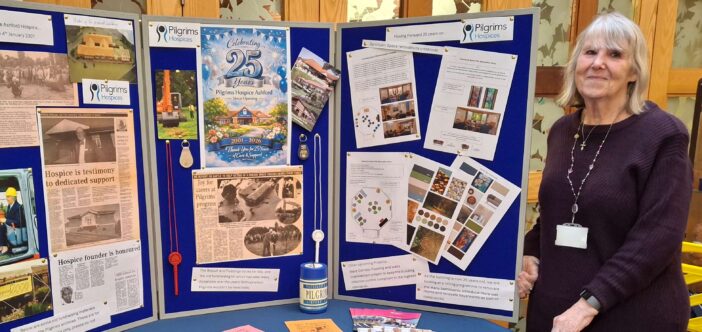
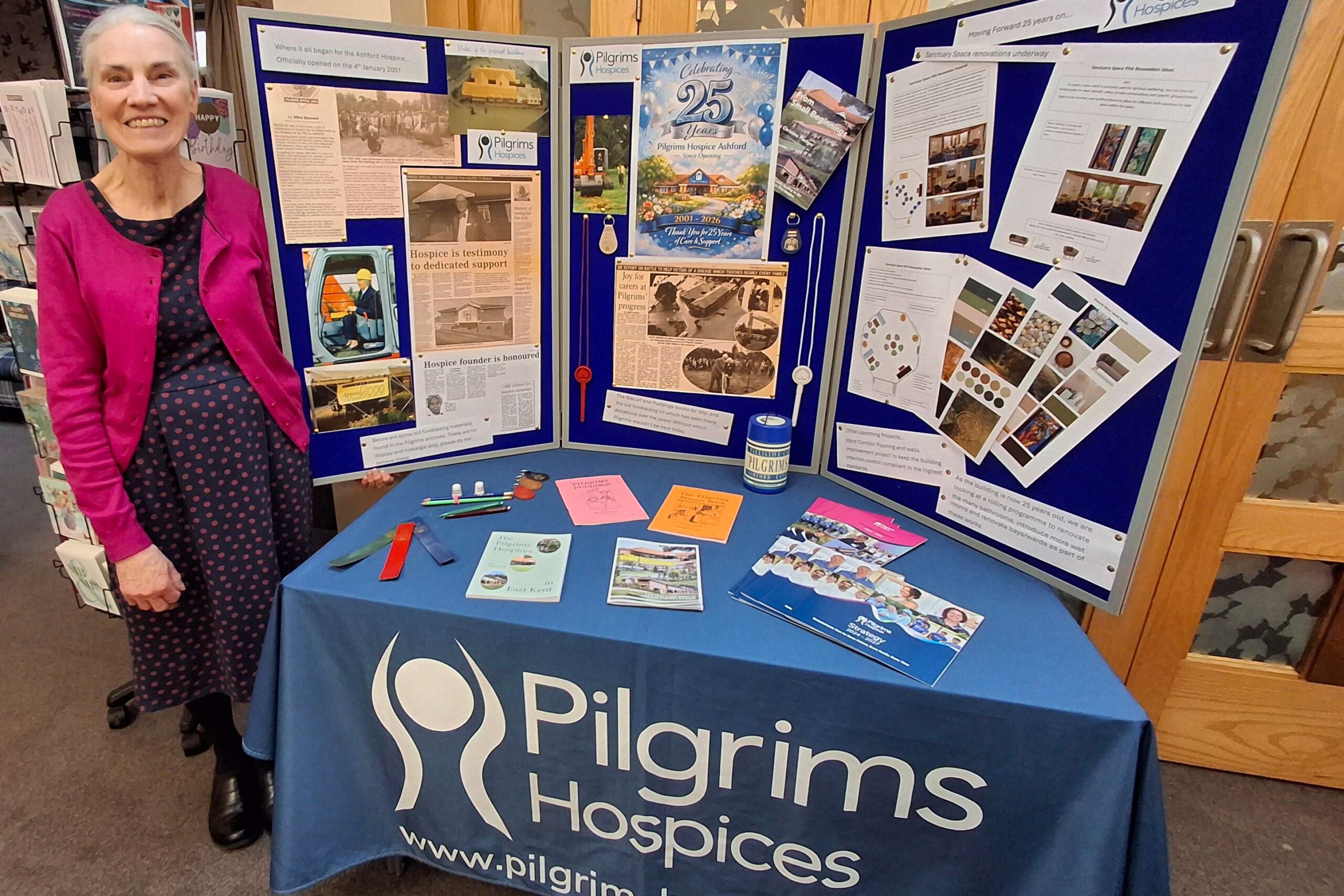
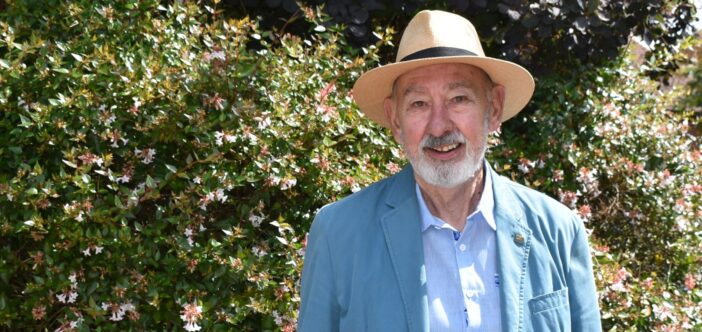
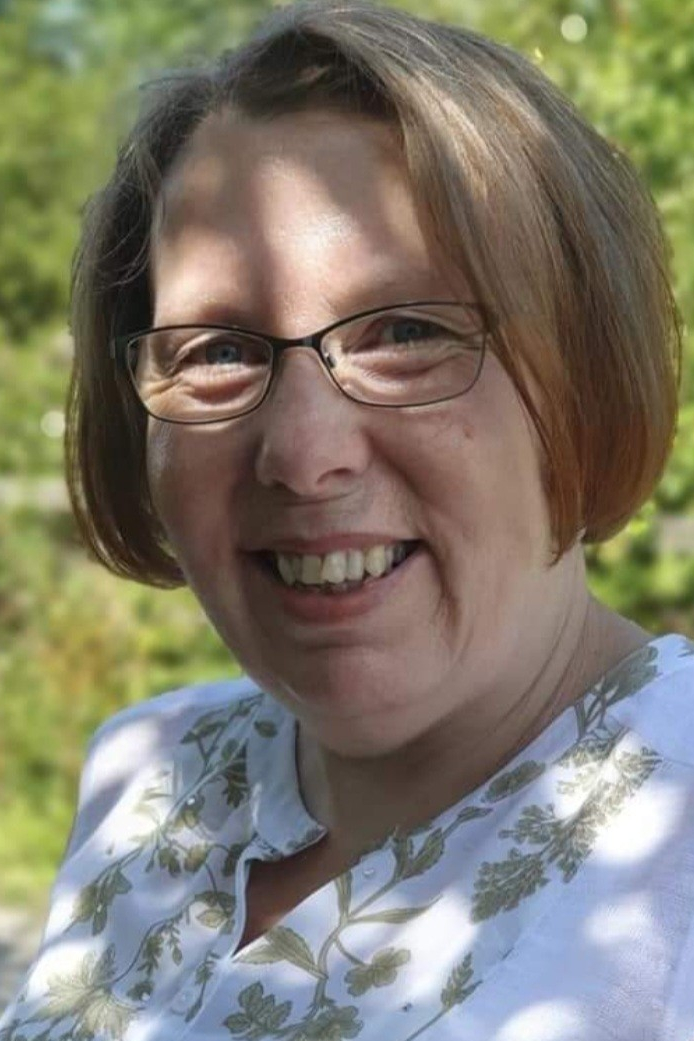
Photograph: Sue Warren, Reception Volunteer
This year, Pilgrims Hospice Ashford marks a very special milestone: 25 years of care, compassion and community since opening on 4 January 2001.
As the youngest of Pilgrims’ hospices, Ashford was guided by the lessons learned at Canterbury (1982) and Thanet (1992), but it was the local community that truly brought it to life. By 1998, east Kent needed more specialist hospice care.
The tranquil meadows at Willesborough were chosen for a purpose-built hospice offering inpatient care, community services and therapeutic support for patients and their families.
The £3.5 million fundraising target felt daunting, but the community response was extraordinary. Businesses, schools, charitable trusts, groups and individual supporters rallied behind the Hospice on the Hill Appeal 2000.
What seemed impossible became reality because people believed hospice care close to home mattered.
At the heart of those early days was founder Ann Robertson OBE, famously taking to a JCB for the 1999 groundbreaking. Her determination mirrored the spirit of the community that built the Ashford hospice from the ground up.
Pam Pullen Volunteer 1
Sarah Smith HCA Ashford 1
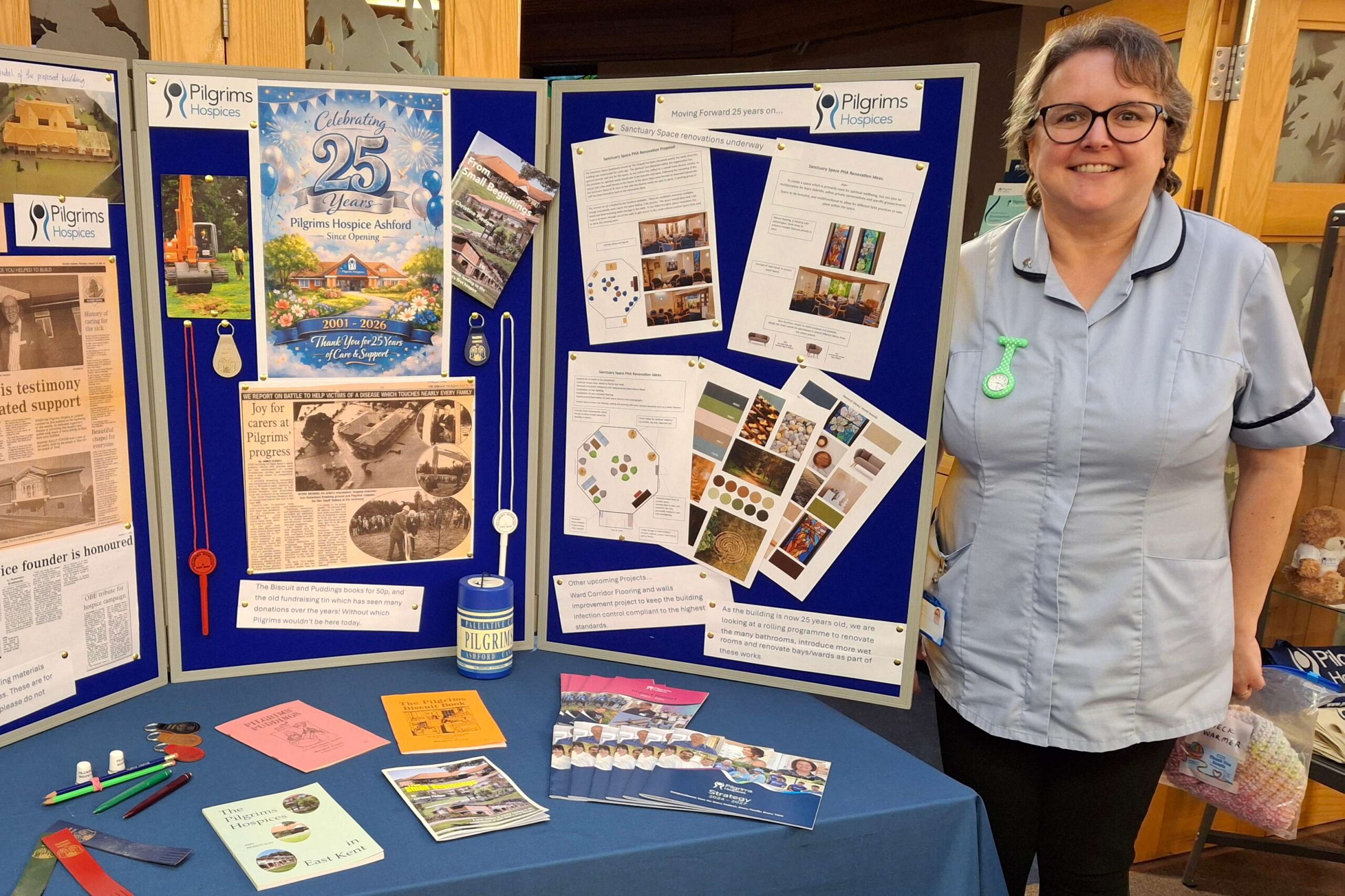
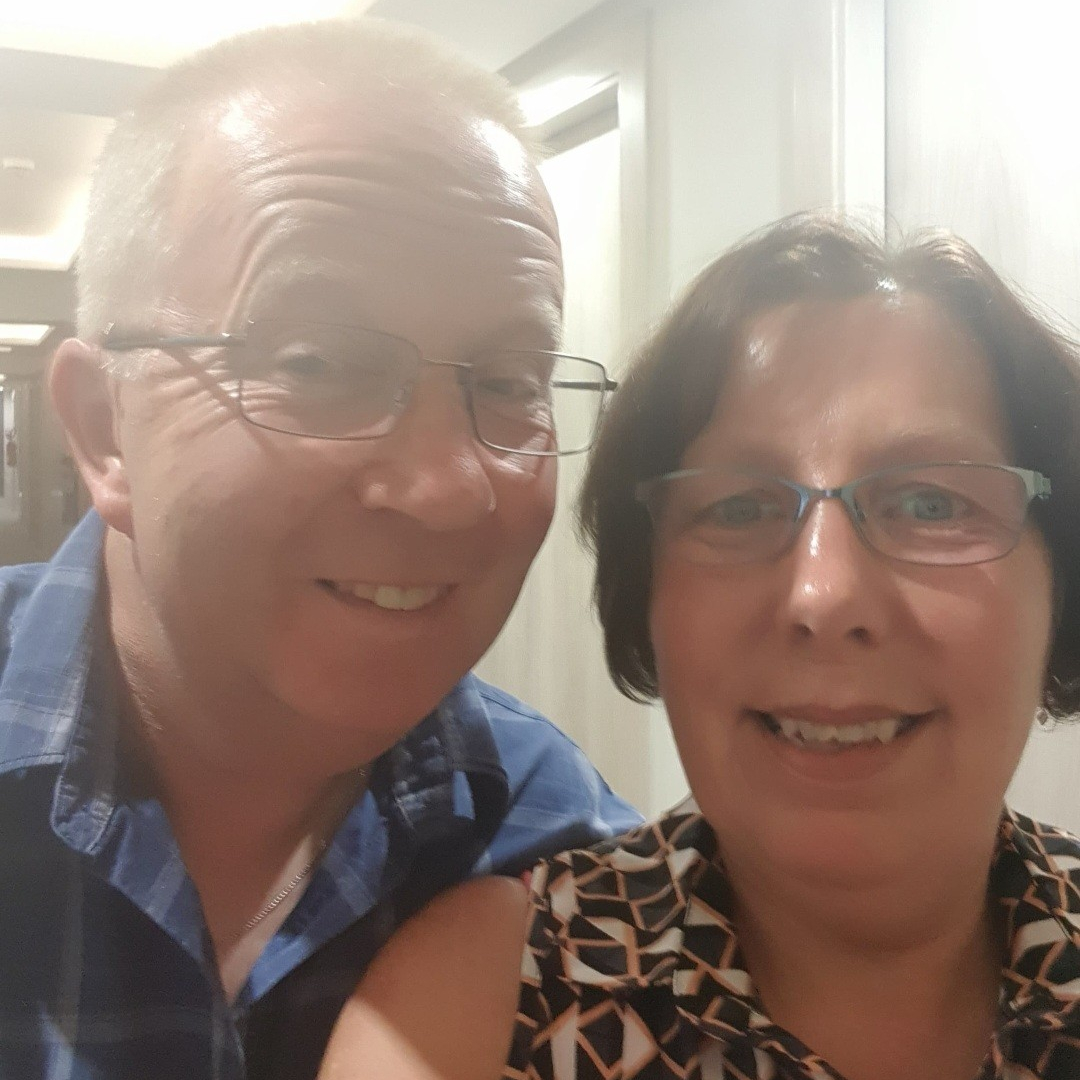
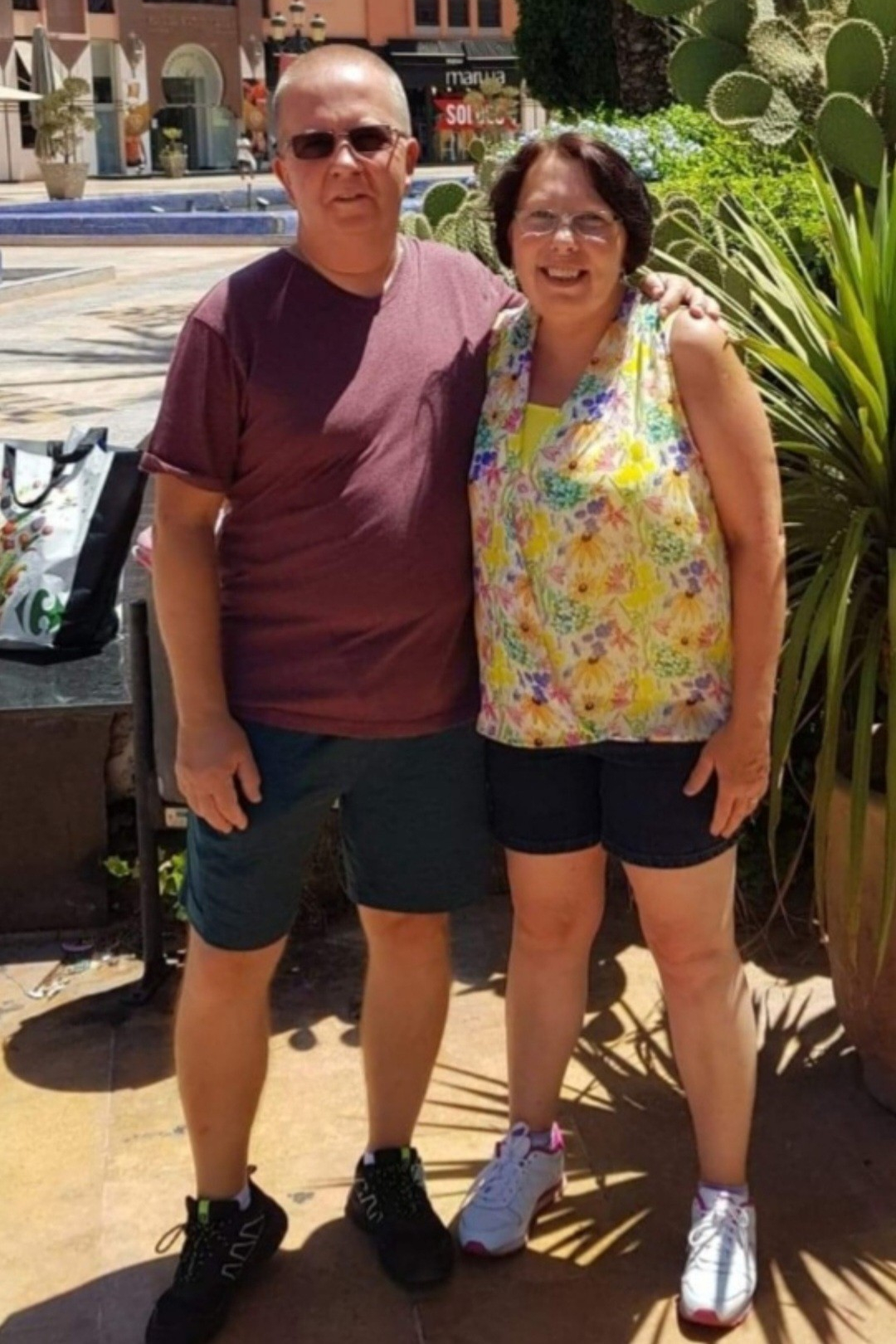
Pam Pullen, Reception Volunteer, and Sarah Smith, Healthcare Assistant
That spirit continues today through staff and volunteers working together to create warmth, dignity and comfort. Reception volunteers Jeanette Woodcock, Pam Pullen and Sue Warren, catering assistant Wendy Wigglesworth, and Healthcare Assistant Sarah Smith all remember the hospice from its early days.
Every role, paid or voluntary, is part of the caring community supporting patients and families.
Recent improvements, including the beautifully refurbished lounge, were made possible by community fundraising, local businesses and charitable foundations, offering brighter, more welcoming spaces for families.
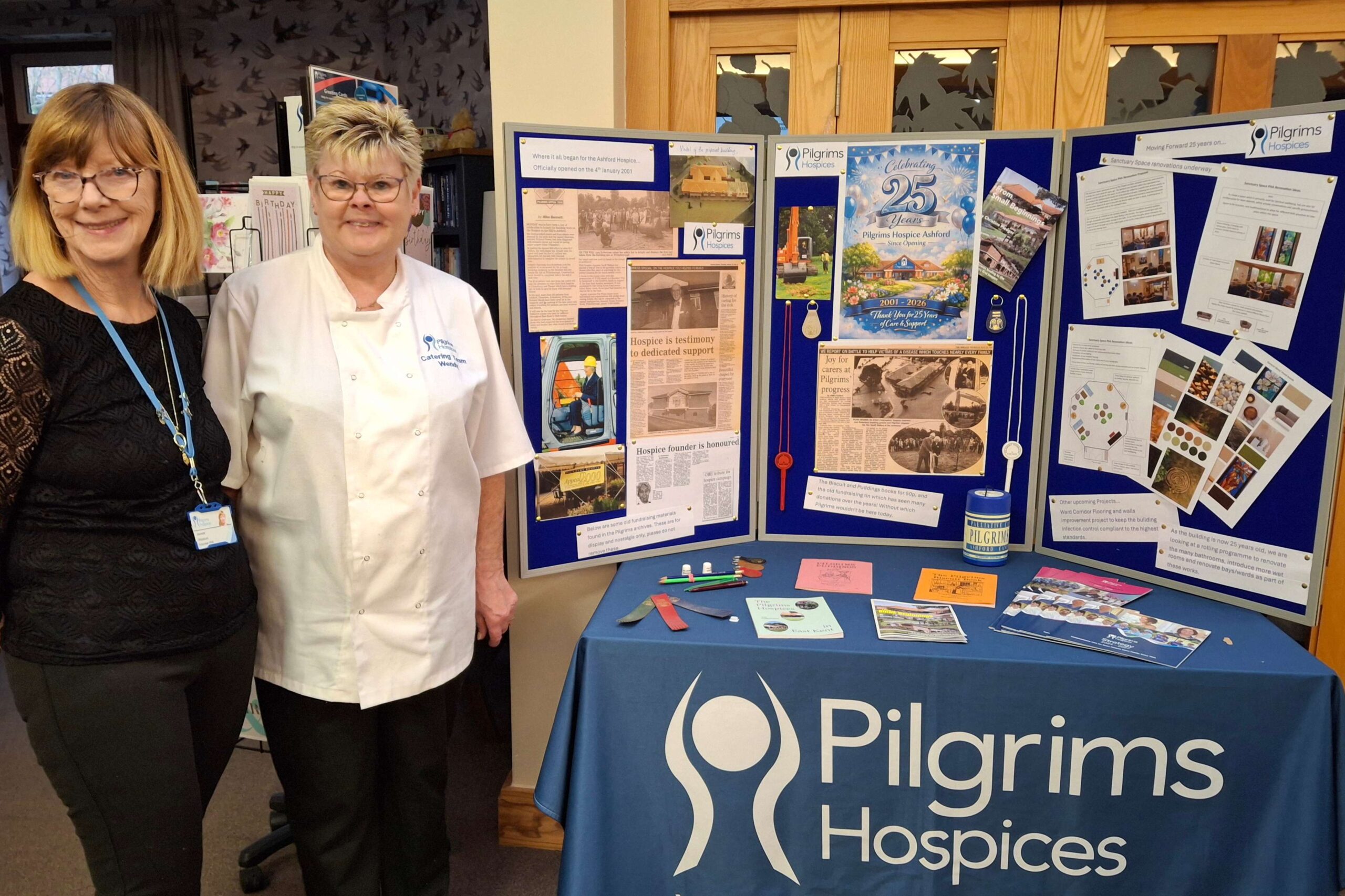
For the 25th birthday, displays of memorabilia and shared stories have celebrated the many lives touched by the Ashford hospice.
“Reaching 25 years is a proud and emotional moment,” says Martin Kemp, Hospice Services Manager. “It’s a chance to feel nostalgia for the past while seeing new projects and plans for the future. This birthday celebrates our community and acts as a springboard into the next chapter.”
Ashford’s story is one written by its community, past, present and future.
Wendy Wigglesworth, Catering Assistant, said:
“I feel very honoured to work at the hospice. I have met some amazing people, patients, relatives and staff over the past 25 years.”
Jeanette Woodcock, Reception Volunteer, with Wendy Wigglesworth, Catering Assistant
Pilgrims Hospices provides compassionate, specialist care free of charge to thousands of people in east Kent each year who are living with life-limiting conditions. Support is offered in patients’ homes, in the community, and at our three hospice sites in Canterbury, Thanet and Ashford. We also run a 24-hour advice line.
23rd March 2026
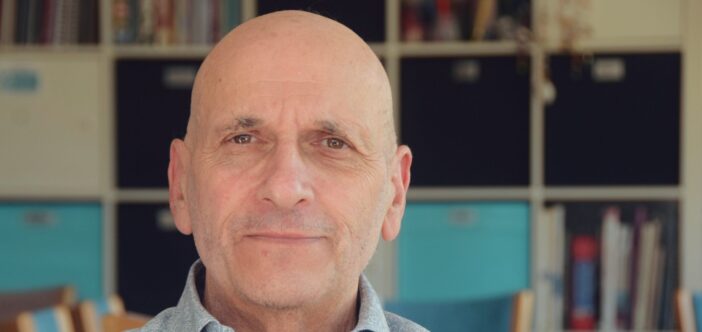
Living well in each moment: Lawrence’s journey with Pilgrims Hospices
Lawrence Fox, a Londoner and former construction manager who has lived in Canterbury for 27 years, was diagnosed with pancreatic cancer in 2024.
After beginning chemotherapy and radiotherapy treatments at the Kent and Canterbury Hospital, he was referred by his specialist nurse to Pilgrims Hospices for additional support.
Lawrence has experienced the holistic benefits of hospice care through wellbeing groups, physiotherapy and complementary therapy:
“I do guided mindfulness sessions at Pilgrims, which I love; they help me stay present in the moment and not get so anxious about the future – that’s the secret. I’m interested in psychology and being mentally strong. And I love being around people; there are some things you can’t tell your family, but you can share them with strangers, which is so helpful.”
Lawrence also attends Living Well groups, which offer talks by speakers on a range of topics, and has had reflexology treatment: “I’d never tried that, so I thought I’d have a go! I found it very relaxing.”
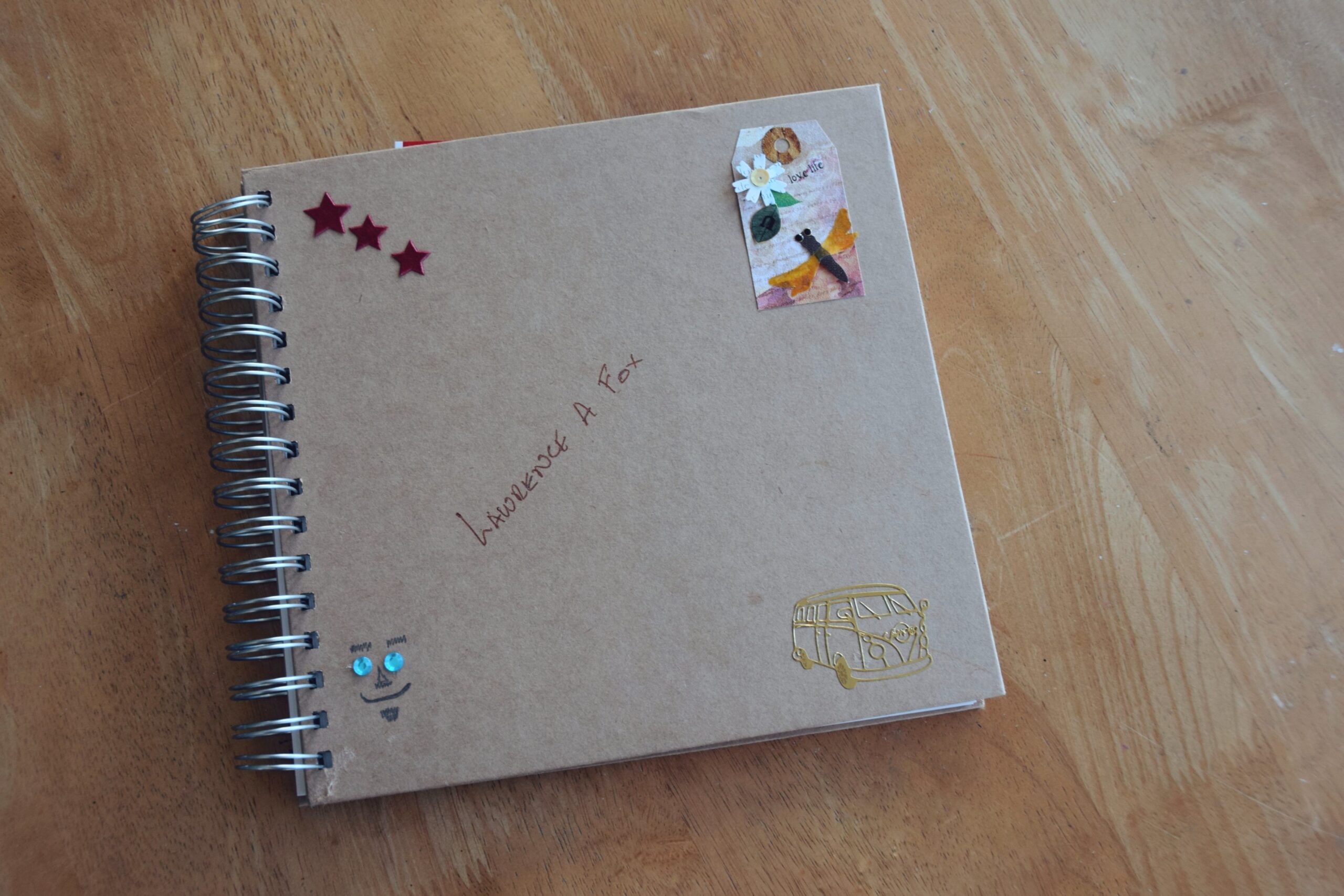
Most recently, he has joined Time to Create, a therapeutic art group where patients can try various artistic activities and processes, and is currently making a memory book:
“It’s nice coming to the hospice and catching up with some friendly faces.”
Lawrence values his physical fitness and says that being active helps him manage his illness; he does Pilates and, thanks to the support he is receiving from Pilgrims, hopes to begin swimming again in the near future, having previously swam for his native London Borough of Islington – “It’s like therapy for me.”
Lawrence continued:
“Without Pilgrims, I wouldn’t have known what to do or where to go after my diagnosis. They’re always here if you need them, and having that back-up is reassuring. The groups get me out of the house and into a routine, and I’ve met so many people – including partners and carers, who are welcome at the hospice groups, as it gives them a break as well.
“I didn’t realise until now that the hospice relies so much on donations, so I want to give back in any way I can, and sharing my story is one way I can do that.”
Pilgrims run a wide range of wellbeing groups and activities designed to support patients to live well, stay connected and enjoy the best quality of life possible.
For more information on Pilgrims Hospices’ Wellbeing Programme:
Call the Pilgrims Hospices Advice Line on 01233 504 133
Pilgrims Hospices provides compassionate, specialist care free of charge to thousands of people in east Kent each year who are living with life-limiting conditions. Support is offered in patients’ homes, in the community, and at our three hospice sites in Canterbury, Thanet and Ashford. We also run a 24-hour advice line.
12th March 2026
From grief to giving: How Pilgrims Hospices helped author David Dye navigate loss and find purpose
“Pilgrims Hospices is very special to me. I find it hard to explain why — because it’s more of a feeling than something you can describe. But when you’ve been touched by the kind of care they offer, it stays with you forever.”
For Faversham-based author and Pilgrims supporter David Dye, the journey of grief, healing, and rediscovery began with profound loss — and grew into something lasting and meaningful, thanks to the care and comfort he and his wife, Karen, received from Pilgrims Hospices.
David’s wife, Karen
Karen died in June 2021 after a 10-year battle with an extremely rare and cruel form of cancer. Her illness was long and relentless, involving aggressive treatments, years of clinical trials, and even a complete blood transplant. “What she endured sometimes felt like more torture than the illness itself,” David reflects. “But she faced it all with dignity and extraordinary strength.”
Throughout the last five years of her life, Pilgrims was a constant support — not just for Karen, but for David, too. “They gave us dignity, peace, and a calm, caring environment when we needed it most. The staff and volunteers at Pilgrims have provided end-of-life care for several of my loved ones. Their spirit, soul, and sincere friendship go far beyond professionalism — they offer true humanity. I believe I’ve earned the right to say that.”
In the early weeks after Karen passed, David found himself at a loss. “I was sitting at the kitchen table, feeling utterly useless, shuffling through paperwork to find something — anything — to focus on.”
That’s when he came across a hand-written memoir by his late mother-in-law. It described her early life in South Africa — the lake she lived beside, the canoe she paddled in each day. “Her words were so vivid, I felt I was standing on the lake’s edge, watching her glide by. It pulled me out of my darkness.”
Cold War, Hot Pursuit by David Dye
Inspired, David began to write — at first about his own early life growing up in the concrete jungle of East London. He admits those first 20 pages felt “grey and dismal” in comparison to the colour of his mother-in-law’s writing. But he persisted, scrapping half of it and pressing on. “Soon, reality began to blur into fiction. I was no longer writing a memoir — I had set sail for fantasy land.”
That moment became the start of a new chapter.
Four years later, David has published four novels and recently submitted a fifth. All proceeds from book sales — amounting to thousands of pounds — are donated to Pilgrims Hospices. “Karen told me in a dream not to be tight — to give it all to Pilgrims. And I’ve learned not to argue with her!”
David writes entirely by hand. “I tried the computer but tip-tapping doesn’t take me where I need to go. Writing with a pen lets me drift into other worlds.” Thanks to the help of a brilliant local typist and a supportive publisher, his stories now reach readers far and wide — always with Karen’s memory at their core.
Karen, born and raised in Canterbury, was a beautiful, modest, athletic woman. She was a star of the Archbishop’s School rounders team and a gifted high diver, training at Crystal Palace. She once stunned a poolside crowd in Tunisia by performing a flawless triple somersault from the highest board.
“She was never pretentious,” David recalls. “Just quietly, incredibly capable.”
But it was her love for horses — and all animals — that defined her. A brilliant equestrian, she competed across the country and amassed an impressive collection of rosettes and medals.
“I’m still trying to gather them all for storage,” David says. “It’s not easy.”
One of David’s most powerful memories — fictionalised in his first book — is of a sunset trail ride on a working ranch near Phoenix, Arizona. When a Dobermann puppy was attacked by a pack of coyotes, Karen jumped off her horse, tied the terrified pup to her saddle, and kicked away the circling animals as David watched in awe and fear. “My heart was pounding so hard, I think it reached the ranch before I did. But that’s who she was — brave beyond belief.”
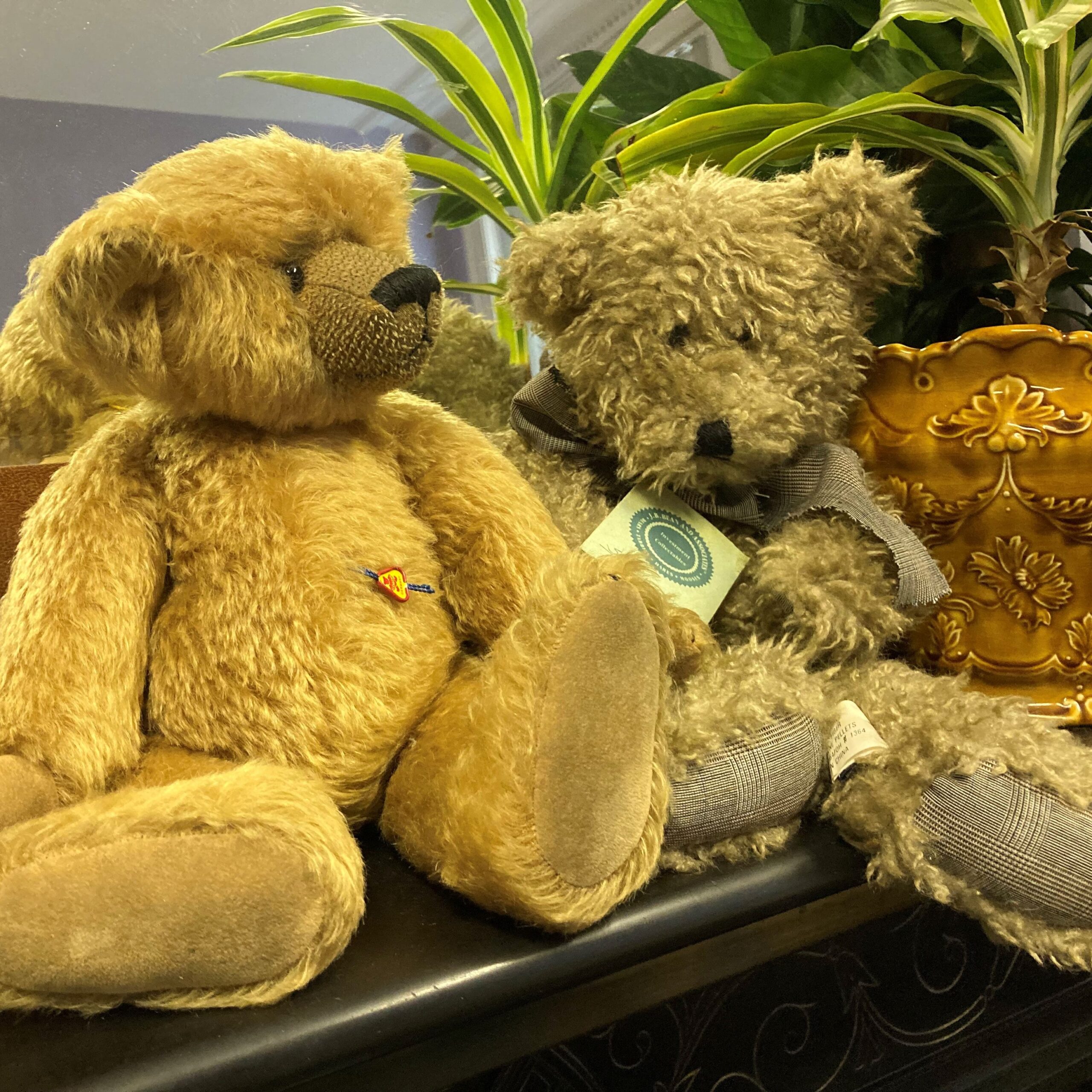
Karen’s teddy bears
Recently, David donated a treasured collection of Karen’s teddy bears to Pilgrims Hospices. Each one is carefully tagged and lovingly prepared for use in fundraising events, or listed on Pilgrims’ eBay site, where rare and collectible bears can raise vital funds.
Family remains at the centre of David’s life.
His son Matthew, who has cerebral palsy, lives independently in Ramsgate and once volunteered at Pilgrims Hospices during a school work placement. David later joined him in hospital volunteering before the COVID-19 pandemic, bringing comfort and treats to patients on the dialysis ward. His daughter has recently returned to the UK with David’s granddaughter to finish her education — and the family’s connection to Kent remains strong.
From his early days working at Simpsons of Piccadilly — where a colleague later modelled the character Mr. Lucas in Are You Being Served? after him — to high-level roles in the finance industry that took him and Karen around the globe, David’s life has been colourful and varied. But the loss of Karen, and the compassionate care they received at Pilgrims, changed everything.
Today, David continues to honour her legacy through creativity, charity, and community. In his garden grow Cercis trees — chosen for their heart-shaped, crimson leaves — planted in memory of Karen.
“If I ever move,” he says, “those trees are coming with me.”
“We’re all in the queue to meet our maker — whether we talk about it or not. But when that moment comes, Pilgrims are there to help us through. That kind of comfort is beyond value. I’ll support them as long as I live.”
Pilgrims Hospices provides compassionate, specialist care free of charge to thousands of people in east Kent each year who are living with life-limiting conditions. Support is offered in patients’ homes, in the community, and at our three hospice sites in Canterbury, Thanet and Ashford. We also run a 24-hour advice line.
11th March 2026
How creativity, friendship and love come to life at Pilgrims Hospices
When Kevin Carter first heard about Pilgrims Hospices’ 12-week Time to Create group, he wasn’t convinced it was for him.
“I thought it would all be drawing,” he admits. “I really wasn’t sure what to expect.”
Now, the 58-year-old from Ramsgate wouldn’t miss a Thursday for the world.
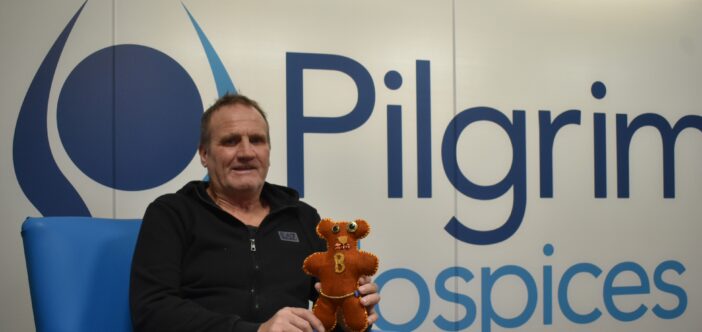
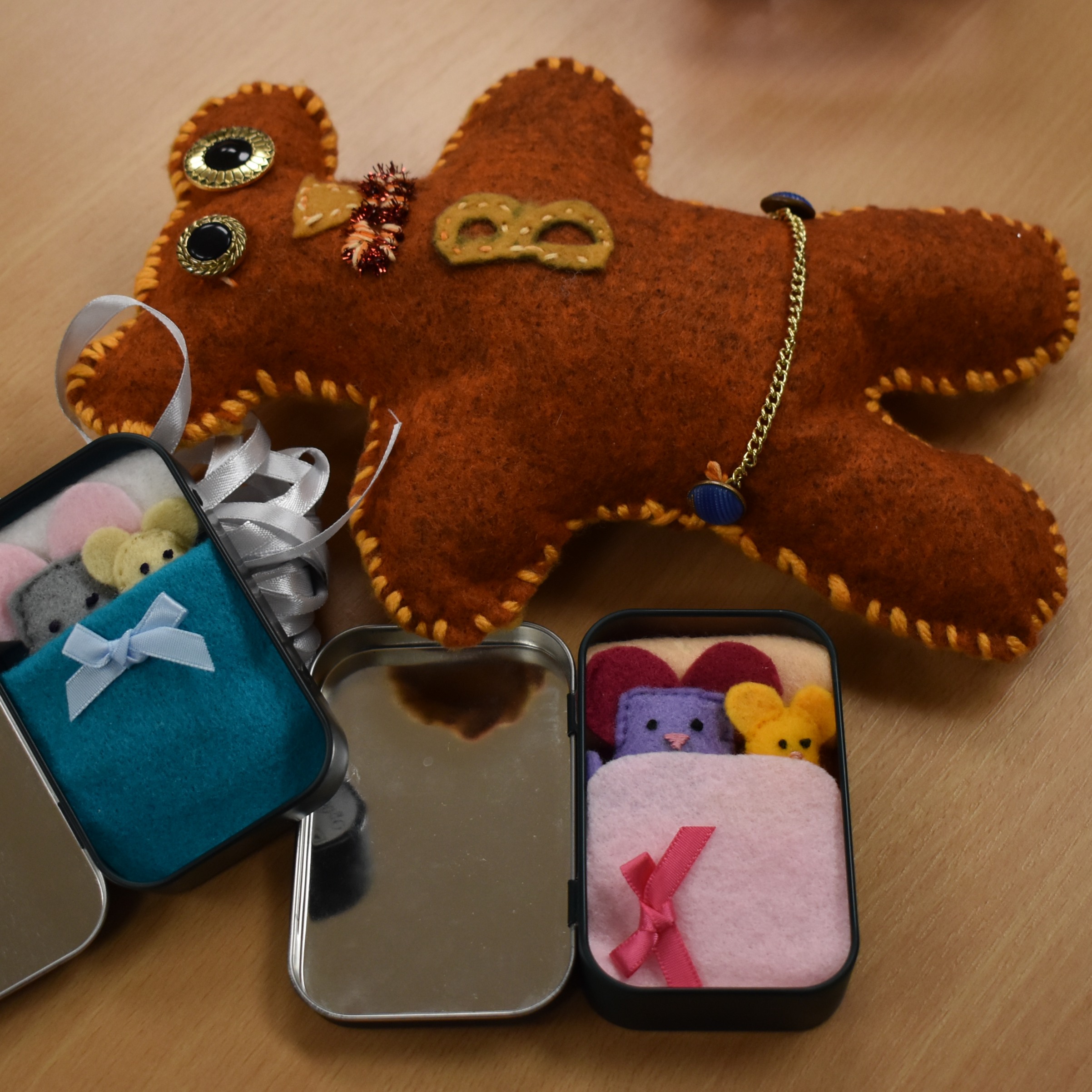
Kevin’s teddy bear, Wonky, with Eeny, Meeny, Miny and Moe
Kevin attends the Wellbeing and Therapy Centre at Pilgrims Hospice Thanet, having been referred by King’s College Hospital in London following a diagnosis of liver cancer. After being introduced to the range of wellbeing support available at Pilgrims, he decided to give Time to Create a try, and quickly discovered something special.
“Well, it’s been amazing,” Kevin says. “This is how I spend my Thursdays now. I’ve made such good friends, tried lots of different crafts, and created keepsakes and cards for my family to treasure forever.”
One creation in particular has captured hearts across the group: a soft, handmade teddy bear Kevin proudly named Wonky.
Wonky is stitched together with care, his slightly uneven seams and gentle smile giving him real character. Made in warm, neutral fabric and small enough to be held close, he’s far from perfect, and that’s exactly why Kevin loves him.
“I’m especially pleased with my teddy bear,” Kevin says. “I named him Wonky because he’s not perfect, just like all of us. But he’s full of love.”
Wonky is a gift for Kevin’s nine-year-old daughter, Bonnie, and a symbol of something much deeper.
“It matters to me to leave something behind that’s been made with love,” Kevin explains. “I hope when Bonnie holds Wonky, she feels how much she means to me. I also have a 13-year-old son, Logan, I’ve yet to make something for him… however, I am responding well to treatment, so there will be time.”
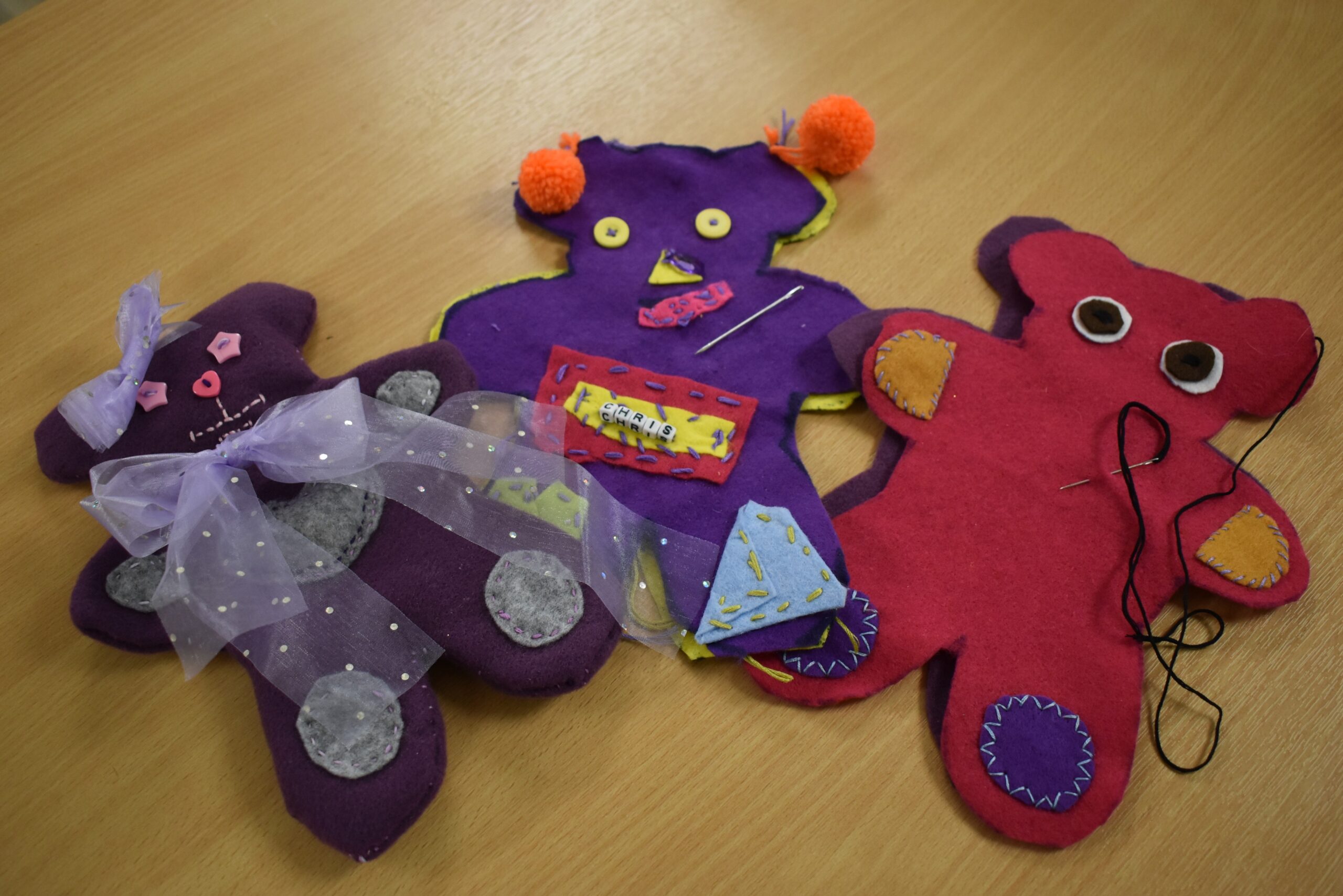
The teddy-making didn’t stop with Wonky. Inspired by Kevin, several other members of the group began making bears of their own.
One fellow participant even created a set of tiny bears in tins for Kevin, keepsakes he treasures just as much.
“They’ve truly captured my heart,” Kevin says with a smile. “I’ve named them Eeny, Meeny, Miny and Moe. One’s for Bonnie and one’s for me. They live in their own special tins.”
For Kevin, creativity was never part of his life before joining Pilgrims.
Having spent his career in the building industry and lived in Thanet for 30 years, originally hailing from the Rhondda Valley in Wales, sewing and crafting were entirely new experiences.
“I never imagined I’d be doing this,” he says.
“But the group brings me to life. We laugh a lot, we share stories, and there’s always tea, cake, friendship and care here.”
The Time to Create group is facilitated by Pilgrims Hospices’ Wellbeing team and offers patients a relaxed, supportive space to explore creativity, whether through sewing, crafting, card-making or other hands-on activities.
It’s open to people living with a life-limiting illness and focuses on emotional, psychological and social wellbeing.
Kate Brewer, Wellbeing Practitioner at Pilgrims Hospice Thanet, has seen first-hand the impact the group has had on Kevin:
“Kevin’s idea to make a teddy didn’t just result in one bear, it inspired the whole group,” she says. “Creativity gives people a sense of purpose, connection and joy. We’ve seen Kevin grow in confidence, build friendships and create something that will carry his love forward.”
During sessions, the room is often filled with laughter, gentle concentration and conversation,hands busy with needles and fabric, stories shared over cups of tea, and moments of quiet pride as projects come together.
“At Pilgrims, we support the whole person, not just their medical needs,” Katie adds. “Creative activities like Time to Create allow people to express themselves, form meaningful connections and leave a legacy for those they love. That legacy might be a teddy bear, a card, or simply the memories made together.”
As Kevin reflects on Wonky and the time he’s spent at Pilgrims, one thing stands out above all else:
“Even imperfect things can be the most treasured,” he says. “I hope when my family see these teddies, they remember the love behind them, and the laughter that helped make them.”
Pilgrims run a wide range of wellbeing groups and activities designed to support patients to live well, stay connected and enjoy the best quality of life possible.
For more information on Pilgrims Hospices’ Wellbeing Programme:
Call the Pilgrims Hospices Advice Line on 01233 504 133
Pilgrims Hospices provides compassionate, specialist care free of charge to thousands of people in east Kent each year who are living with life-limiting conditions. Support is offered in patients’ homes, in the community, and at our three hospice sites in Canterbury, Thanet and Ashford. We also run a 24-hour advice line.
17th February 2026
Zoo comes to hospice for Lorenzo’s 8th birthday
Pilgrims Hospices helped make one little boy’s birthday wish come true when a zoo experience was brought to his mum’s bedside.
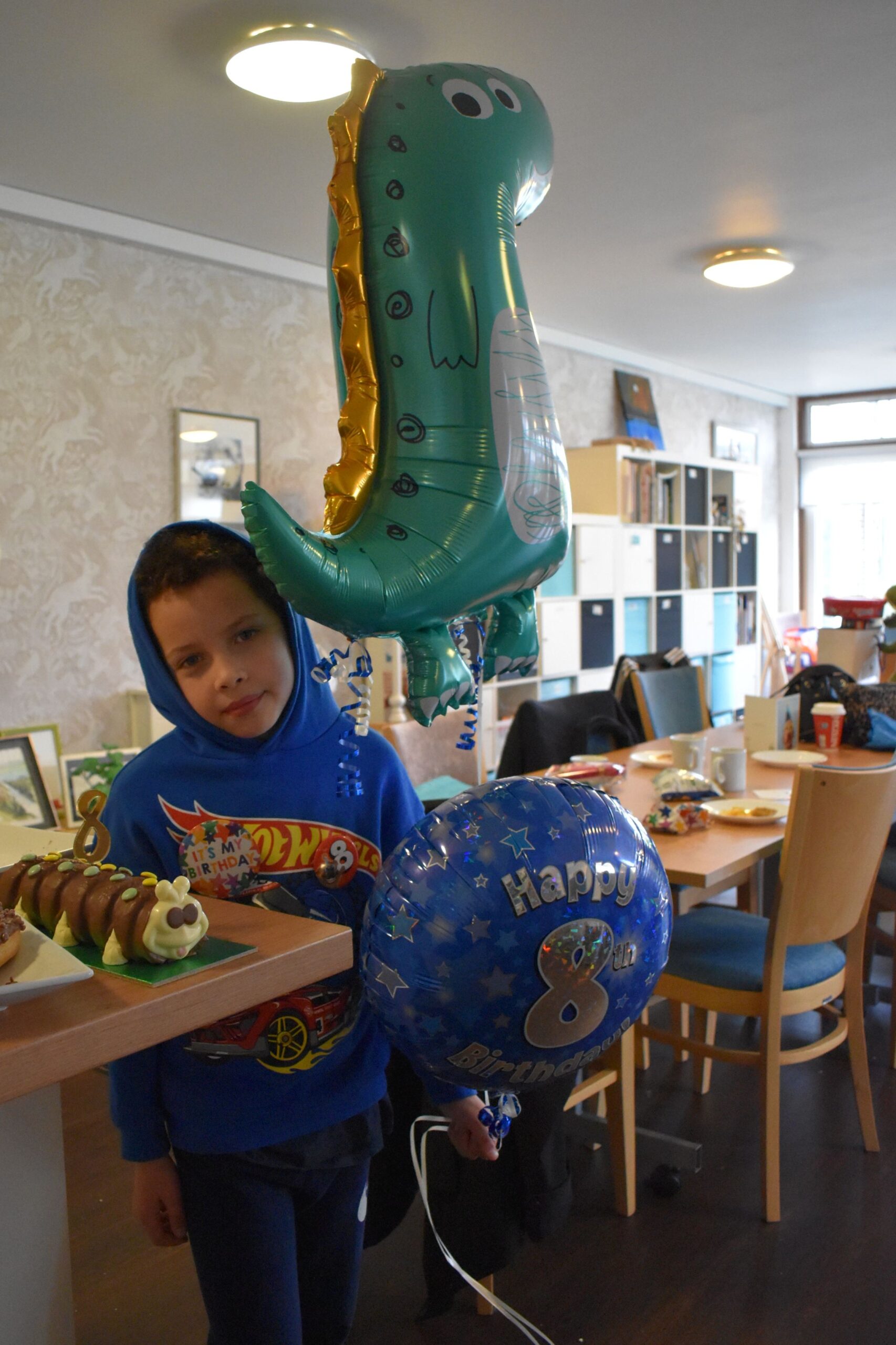
Lorenzo with his birthday balloons
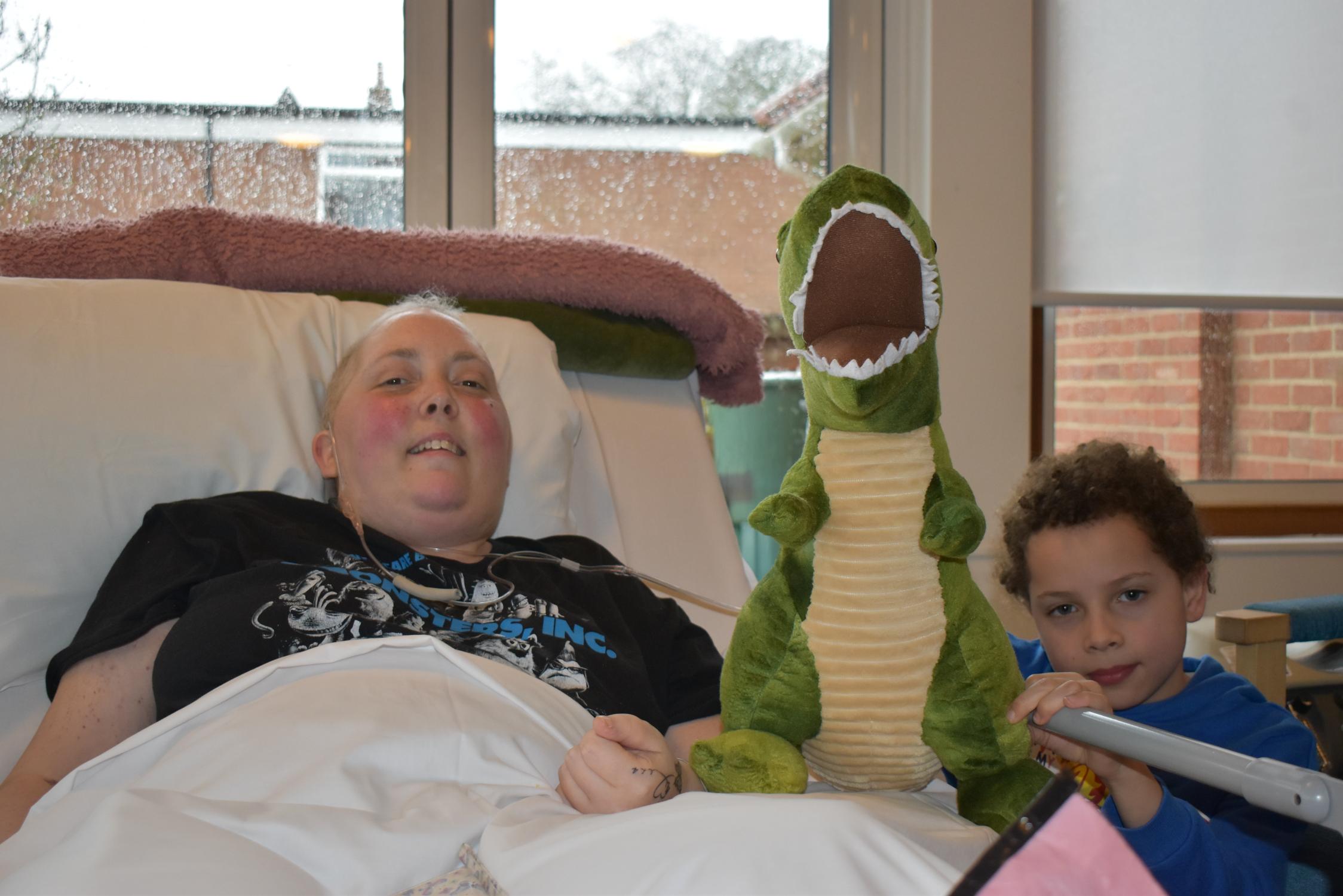
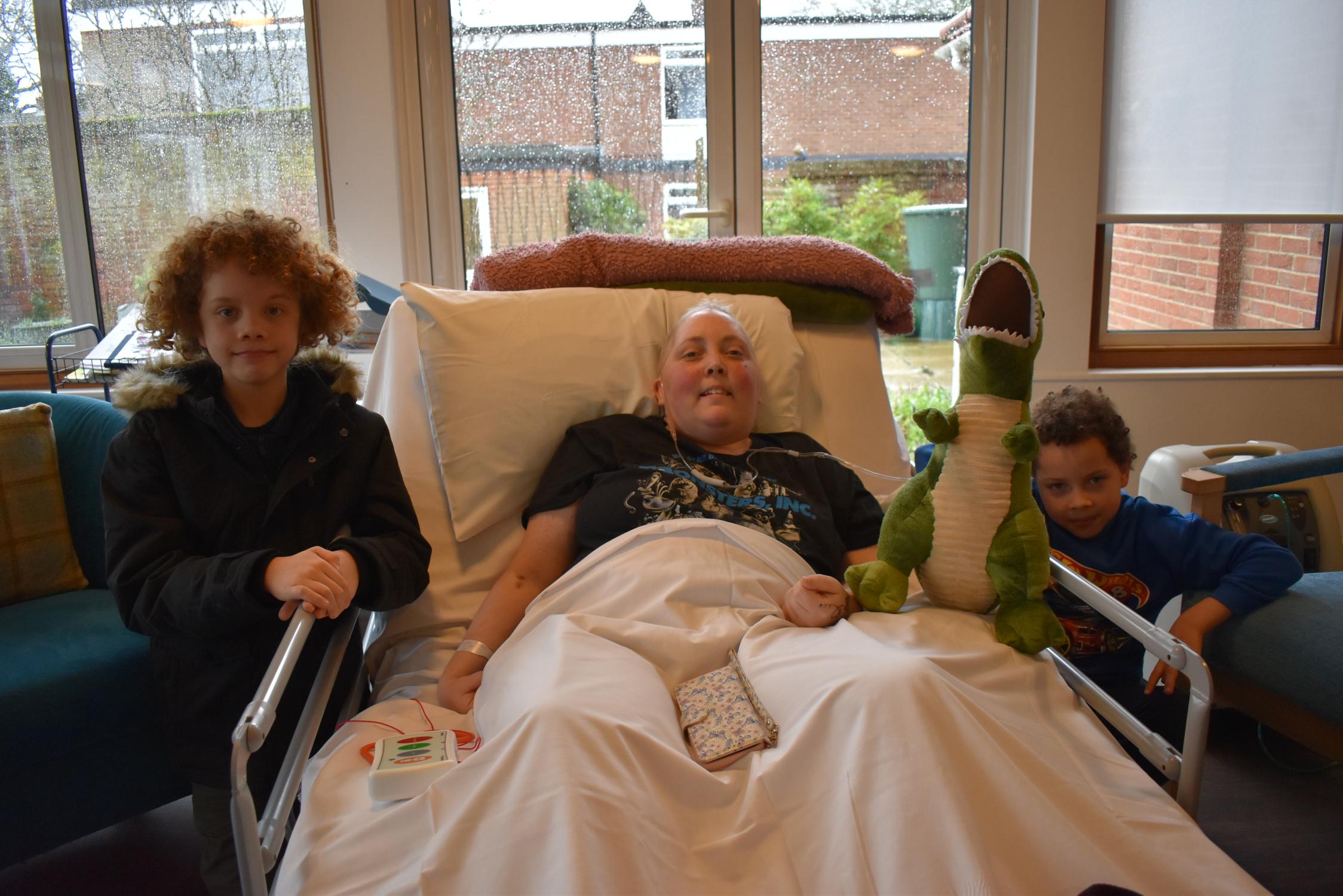
Rosanna, who is receiving care at Pilgrims Hospice Canterbury, had hoped to take her son, Lorenzo, to the zoo for his 8th birthday on Sunday 15 February 2026.
Sadly, due to her poor health, a family day out wasn’t possible. Instead, the hospice team decided to bring the zoo to them.
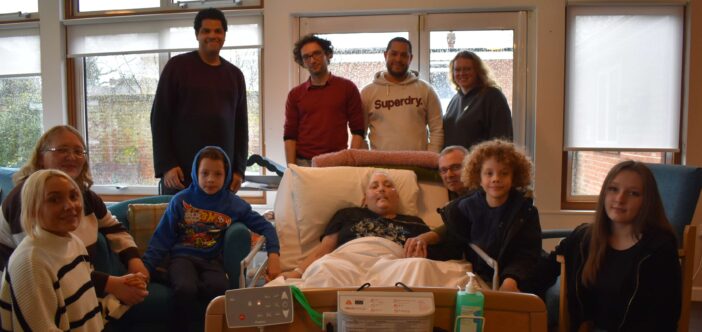
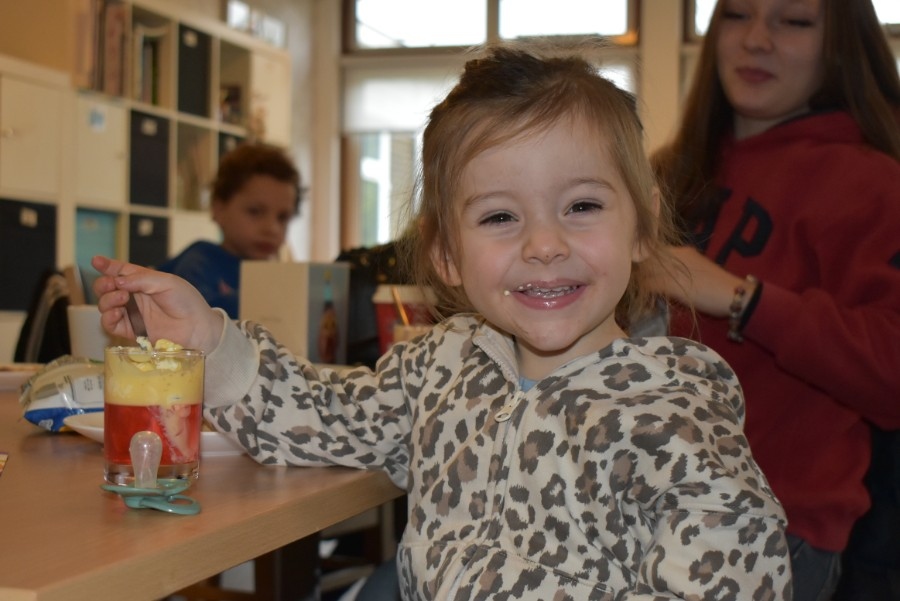
Lorenzo, his brother Luca (10), and cousin Mischa (2) gathered at the hospice alongside their dad, Rob, grandparents Claire and Gero, aunties and uncles, and close family members from Herne Bay and Whitstable.
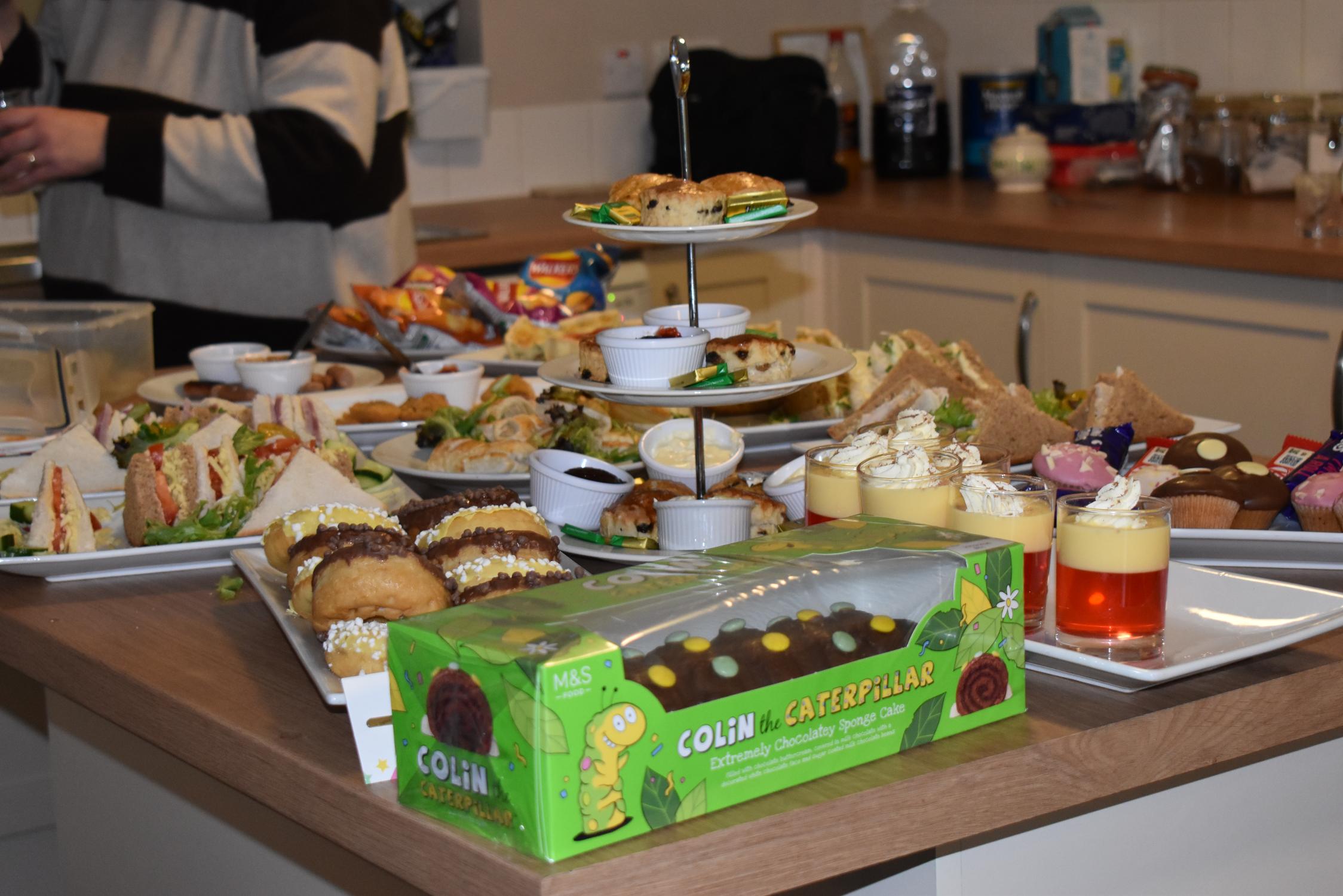
The Pilgrims catering team prepared a lovely traditional birthday tea, complete with freshly made sandwiches and colourful jelly and cake, creating a warm and joyful party atmosphere.
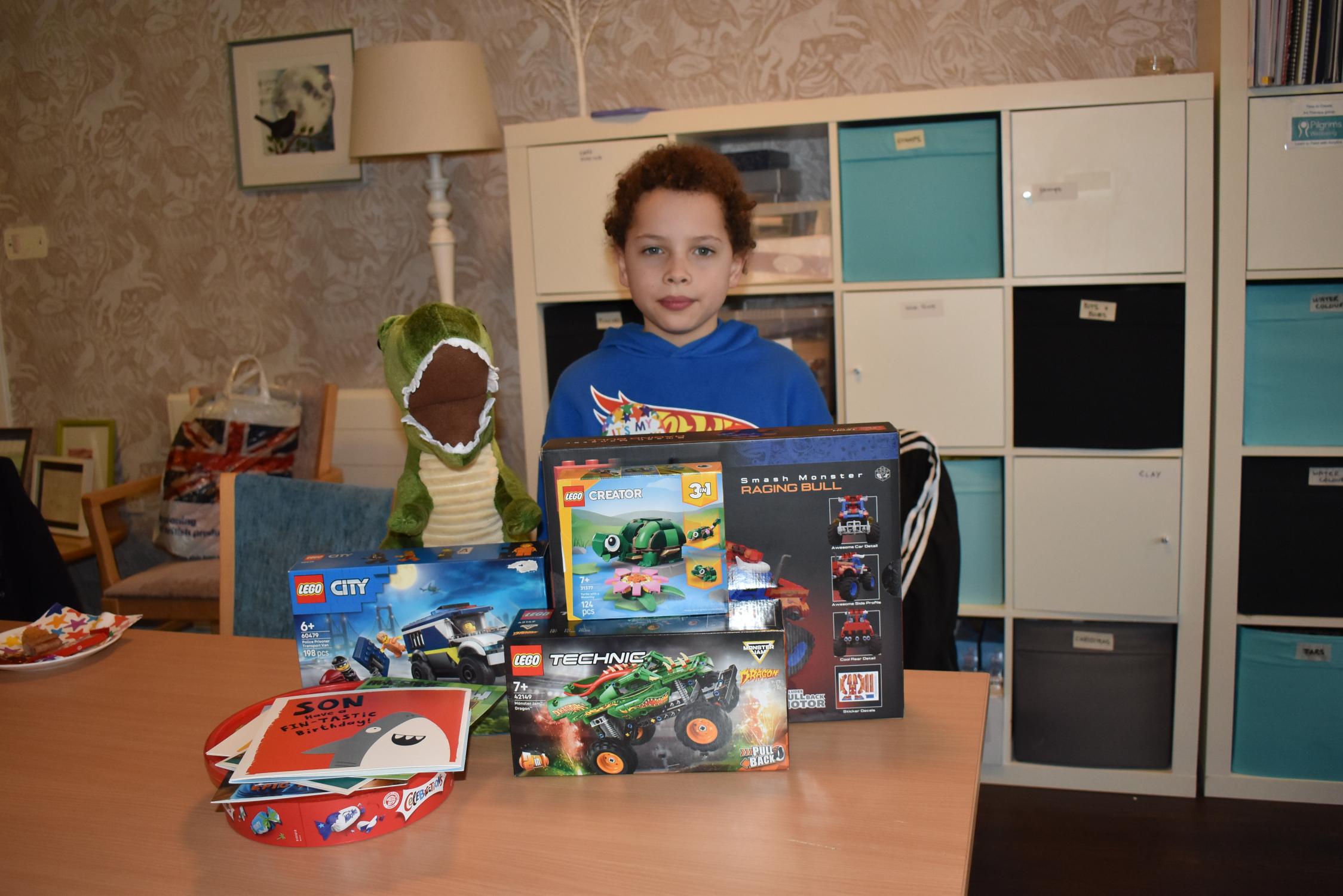
Lorenzo excitedly opened presents, including a cuddly dinosaur, Lego, and plenty of sweets, some of his favourite things.
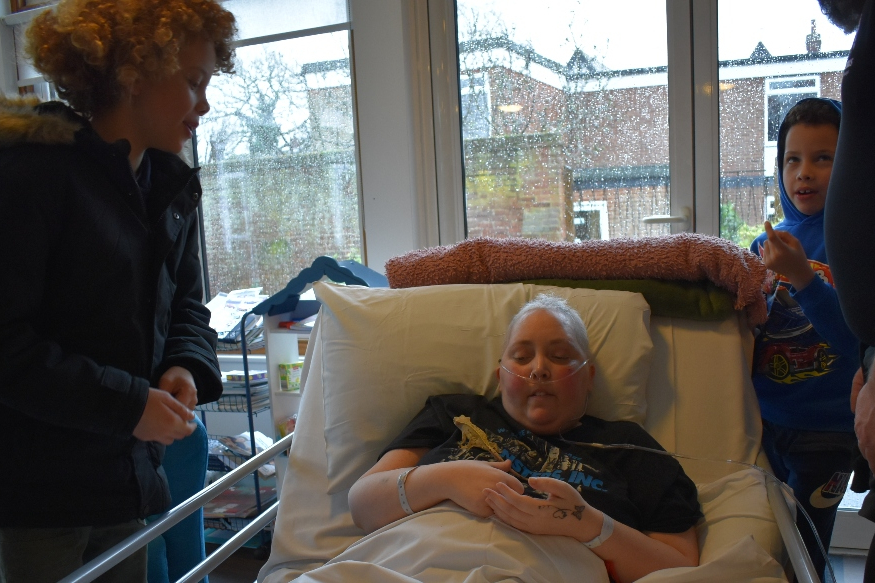
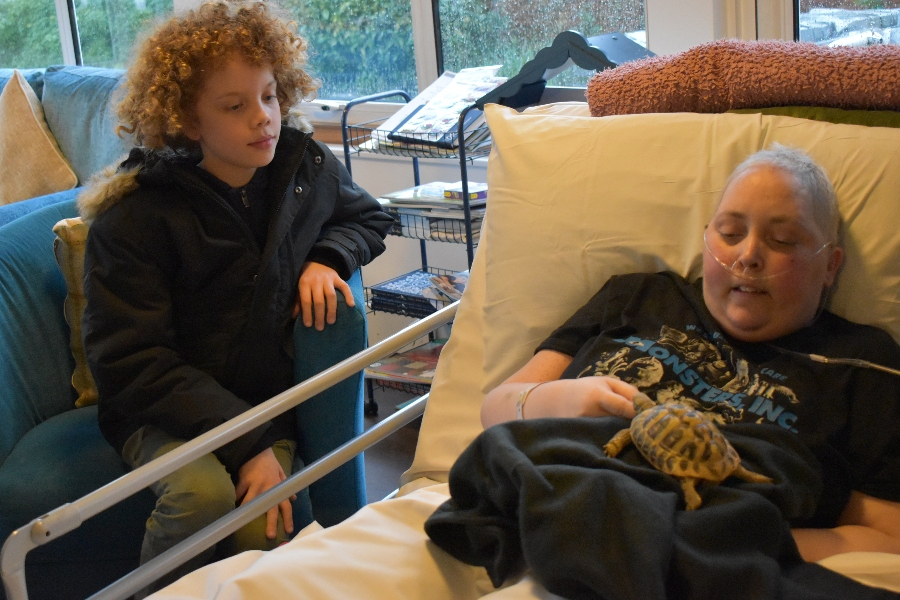
To ensure Rosanna could be at the heart of the celebration, nurses carefully brought her bed into the hospice Therapy Centre, creating space for everyone to be together.
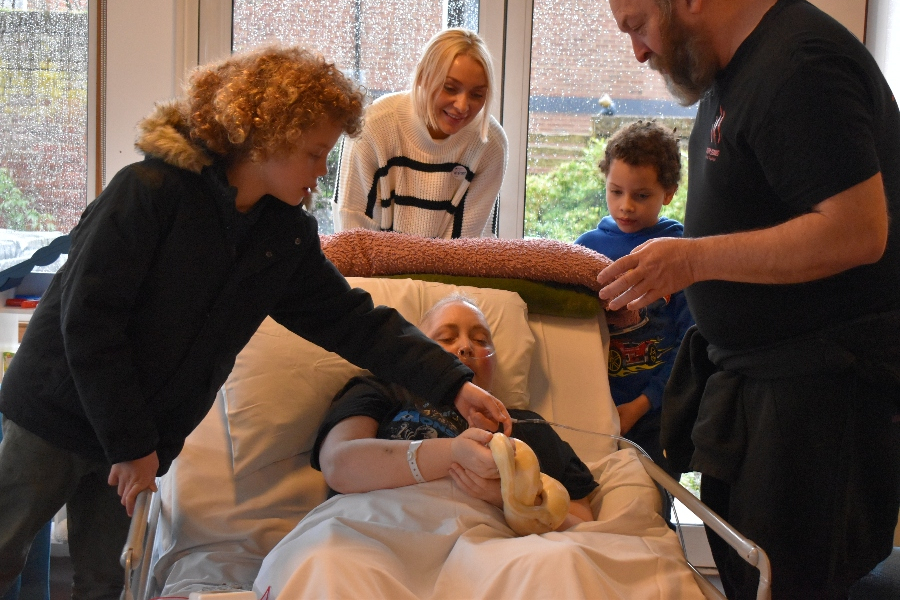
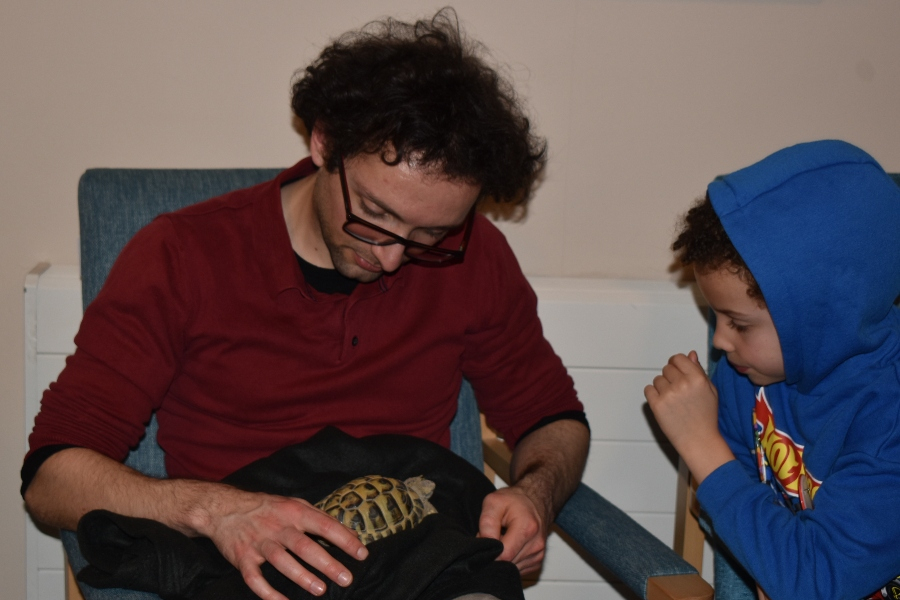
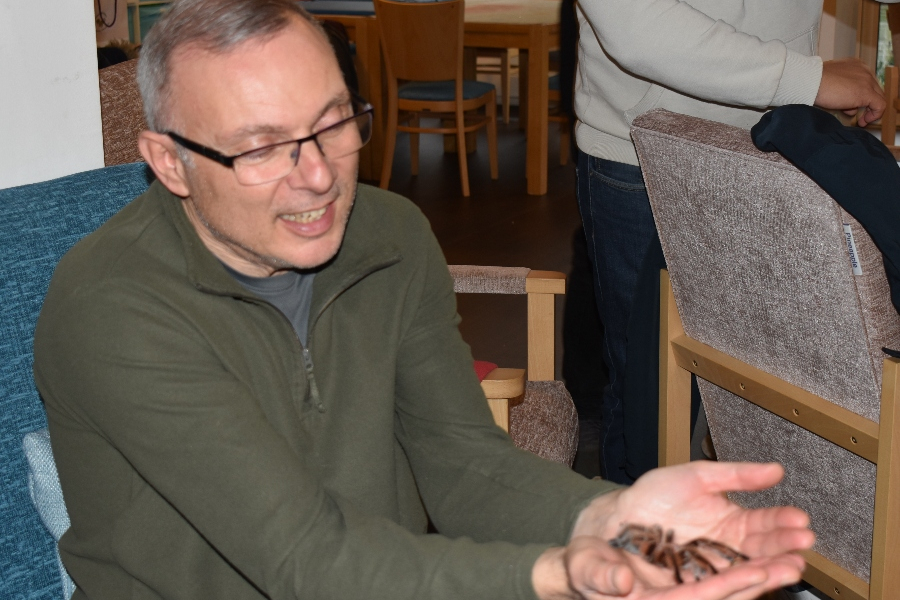
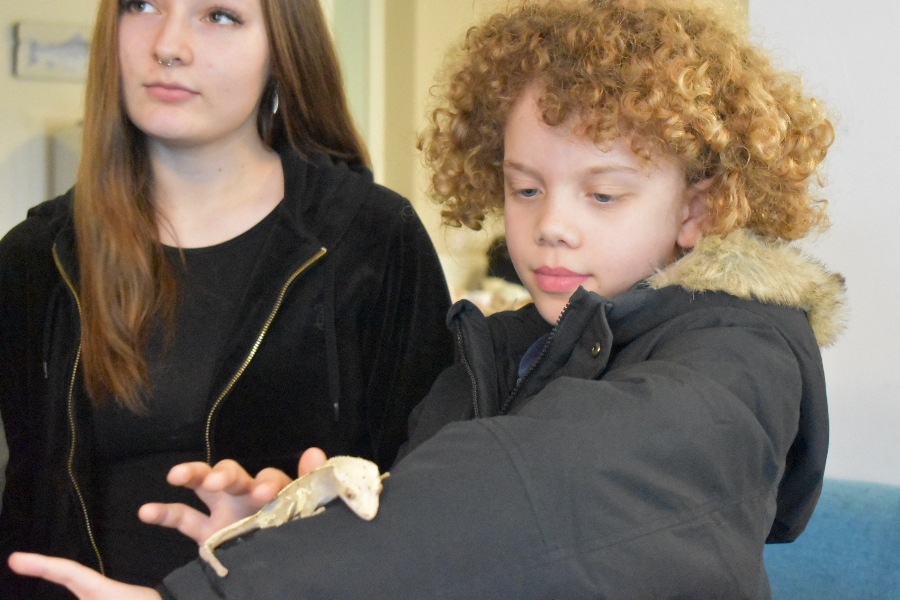
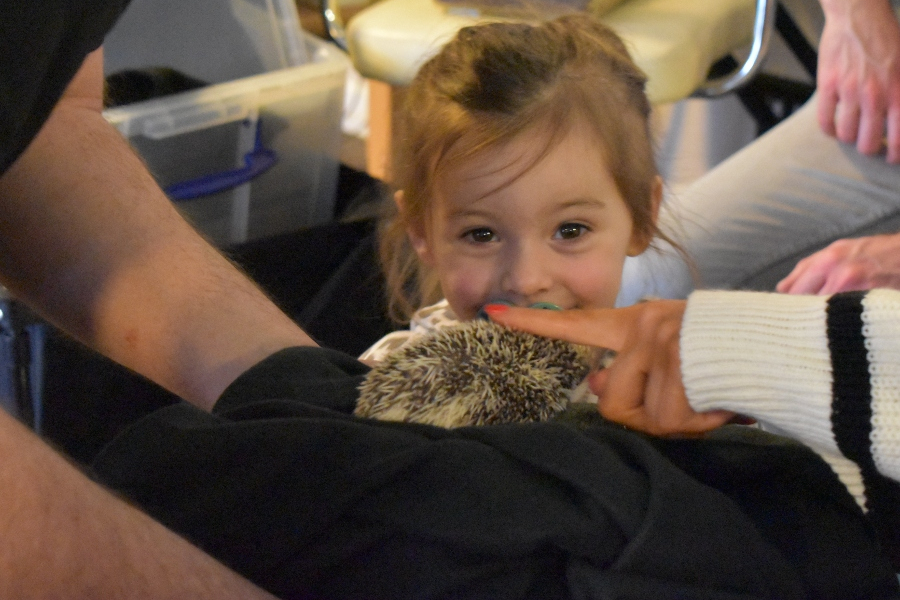
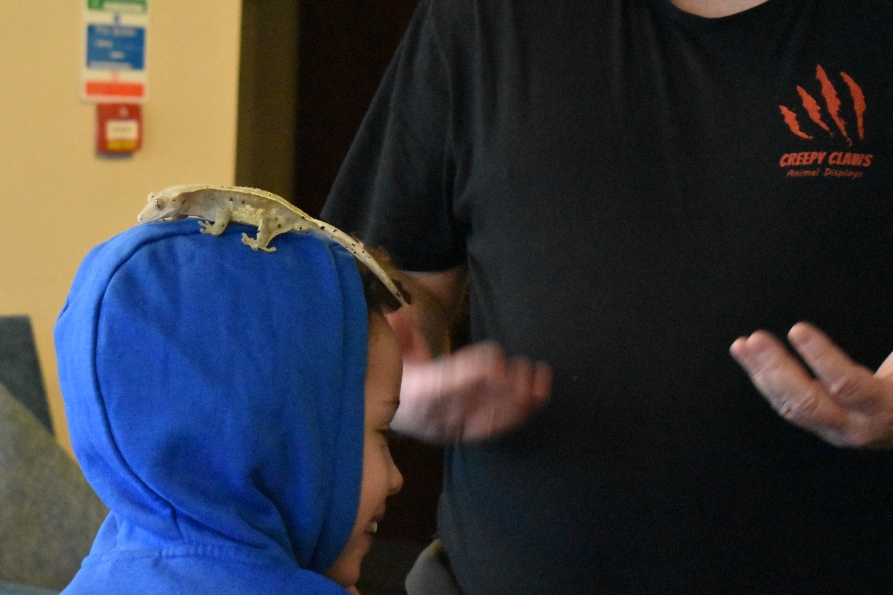
After lunch, a special surprise arrived courtesy of Creepy Claws Animal Encounters in Teynham, who kindly volunteered their time to bring along a selection of fascinating creatures.
Lorenzo Birthday 9 2
Lorenzo Birthday 8
Lorenzo Birthday 6
Lorenzo Birthday 5
Lorenzo Birthday 4
Lorenzo Birthday 3
Lorenzo Birthday 2
Lorenzo Birthday 1
From reptiles to other “creepy crawlies,” the experience delighted the children, and Rosanna bravely joined in, holding the animals and sharing laughter with her family. Being able to take part together created precious memories at a time that matters most.
Rosanna’s husband Rob said:
“We can’t thank everyone enough for the special kindness we have been given here at Pilgrims. You have all been part of making Rosanna’s time here warm, comfortable, and peaceful, not just for her, but for all of us.”
Claire, Rosanna’s mum, added: “Thank you all so much; we now have a really precious memory for the family to share.”
Lorenzo Birthday 14
Lorenzo Birthday 13
Lorenzo Birthday 12
Lorenzo Birthday 11
Lorenzo Cousin Mischa Copy
Hospice Services Manager, Sam Churchyard, reflected:
“It’s wonderful to help this lovely family share such a special moment. The team was determined to make the birthday truly memorable, and everyone pulled together to make it happen. We’re also incredibly grateful to Michael at Creepy Claws Animal Encounters for bringing along these fascinating creatures for the family to enjoy.”
Shirley Clark, from the Marketing and Communications team at Pilgrims, photographed the day:
“It was a privilege to capture these moments for the family. Those natural smiles, the laughter, and the little in-between moments, will become treasured memories for years to come.”
At Pilgrims Hospices, care extends beyond clinical support; it’s about helping families live well together, right to the end, and creating moments of joy when they’re needed most.
Pilgrims Hospices provides compassionate, specialist care free of charge to thousands of people in east Kent each year who are living with life-limiting conditions. Support is offered in patients’ homes, in the community, and at our three hospice sites in Canterbury, Thanet and Ashford. We also run a 24-hour advice line.
11th February 2026
Andrew’s story: Love, loss and giving back to Pilgrims
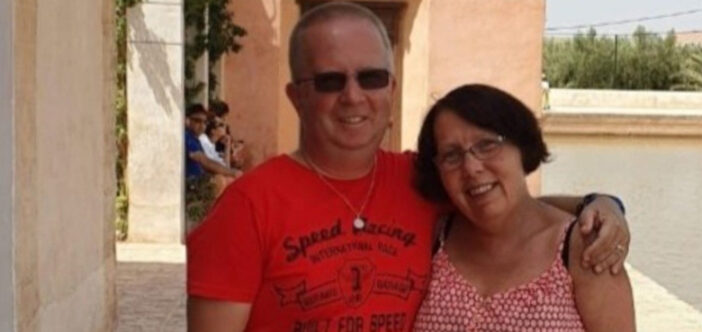
Andrew Gillingham lives in Walmer, and was married to his wife Karen for 13 years.
Pilgrims had been there from the very beginning of their relationship, when his mother-in-law was cared for in the Thanet hospice, dying from oesophageal cancer in 2005.
In 2021, Karen received support from Pilgrims in her home, allowing her final two weeks to be in the place she loved, surrounded by the people she loved.
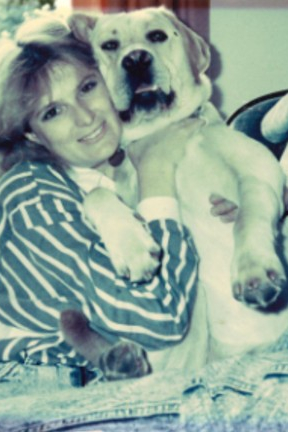
Karen
Their story is one of countless incredible memories, and of the breadth of care Pilgrims provides: from the home to the hospice, and from the patient to their loved ones.
“Karen was amazing.” Andrew says. “She was outgoing, bubbly and enjoyed walking our dogs in the countryside.”
Her true passion, however, was seeking out adventures a little further from home, loving nothing more than travelling abroad.
“I hadn’t travelled much, not before I met Karen. But just like her, I fell in love with it. For eight years, we travelled twice a year to a whole range of places – it was where all of our money went! But I could never regret it, you can’t put a price on memories.”
“Morocco was her favourite place, we travelled there in 2019 and loved it so much we’d booked to go again the following year. But with Covid restrictions, and Karen’s diagnosis, it was a trip we couldn’t make.”
In October 2020, Karen was diagnosed with lymphoma. She completed her treatment by the next February with the upmost bravery, and was given a 90% chance of recovery. But, her prognosis quickly began to change when her cancer developed into a brain tumour. Just two months later, she deteriorated and became paralysed from the neck down. Her condition was now terminal.
“Originally, I wasn’t allowed in the ambulance with Karen due to the restrictions surrounding coronavirus. But, because of the severity of her condition, we were allowed to travel together to University College London (UCL) Hospital. The very last time we were able to hug one another was in that ambulance.”
Karen spent three months in UCL, before being brought home with the assistance of Pilgrims Hospices in the final two weeks before she died. When she was transferred from the hospital to home, Karen asked: “Are were going on holiday now?”, a heart-warming reminder of the travels they took, so close to her heart.
Andrew remembers: “Karen’s doctors didn’t think she would survive the ambulance journey, let alone the two weeks she had at home. But as soon as she arrived, her spirits were lifted – she was singing, and all sorts!
Our bedroom was moved downstairs, our window to the outside world, and her bubbly, warm nature shone through right until the end. And one of her final requests? A cheeky tipple, a brandy!”
Karen died on 28 June 2021, with care from Pilgrims Andrew described as “nothing short of fantastic.” That care was extended to Karen’s loved ones too, through Pilgrims Stepping Stones Bereavement Support Services. Andrew attended counselling at the Thanet hospice, and joined the Bereavement Walking Groups, where he found comfort in connecting with people who had also lost a loved one.
Now, Andrew supports Pilgrims Hospices in Karen’s memory at the charity’s in memory appeals: Sunflower Memories and Trees of Love.
Andrew and Karen
“It’s my way of giving back so others can receive the same amazing care that we did. Most recently, I attended the Trees of Love service at the Thanet hospice with my step-daughter and granddaughter, so we could honour Karen during the festive season.”
Alongside Andrew’s personal support, his work has also got involved, too! In 2024, AEM Ltd (Ramsgate), one of Europe’s leading overhaul and repair facilities in the aerospace industry, selected Pilgrims Hospices as their Charity of the Year. Their staff fundraised through bake sales, colour runs, competitions and quizzes. Some of the team even took to the skies for an adrenaline-fuelled tandem skydive!
“I couldn’t quite bring myself to jump out of a plane, better them than me! But I was so proud that they chose to support Pilgrims partly in Karen’s memory. Altogether we raised an amazing £10,485.66.”
Before she died, Karen had one request of Andrew. She wanted him to continue going on holiday and to let her memory live on through their love of travel. It was a promise he kept. Andrew and his sister, Kim, travelled to Italy and Greece in 2022.
Andrew and Karen
“It was something I talked through with Sarah, one of Pilgrims counsellors. I wanted to honour Karen’s wishes in continuing to explore the world, but I knew it would be hard without her. Sarah told me that a love of travel was a gift that Karen had given to me. That always stuck with me.”
The following year, they returned to Morocco, staying in the same hotel he and Karen had.
“I needed to run Morocco past my sister first as the hotel was primarily meant for couples! But the staff were so great and remembered me from before. It was painful to go back without Karen, but I’m so glad I did. It was wonderful to share that with my sister, too, as like me, she hadn’t travelled much either.”
Five years on, Andrew says “I can’t say how much I miss Karen, I just can’t believe. It really does feel like no time has passed.”
“I want to share our story because I’m just so proud of my Karen. We spent many incredible years together full of unforgettable memories, but it was never quite long enough.”
Pilgrims Hospices provides compassionate, specialist care free of charge to thousands of people in east Kent each year who are living with life-limiting conditions. Support is offered in patients’ homes, in the community, and at our three hospice sites in Canterbury, Thanet and Ashford. We also run a 24-hour advice line.