11th November 2025

    Avneet’s journey as a junior doctor at Pilgrims Hospices: “Pilgrims enables dignity in death”
    At Pilgrims Hospices, specialist palliative care doctors and consultants play a vital role in supporting patients and their families.

    They focus on managing and improving the physical symptoms that accompany a variety of life-limiting illnesses, with the broader aim of helping people to live well – in both mind and body – in the time that they have left.


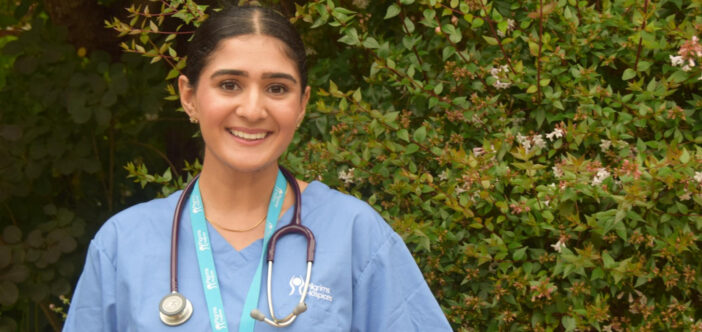
    Avneet Kaur Dhandee, a junior doctor from London, completed a placement at the Canterbury hospice in 2025. She shares her experiences, including how her Sikh faith, informs her medical practice.

    What inspired you to do your training at Pilgrims Hospices? 

    I’m interested in becoming a GP, with special interests in palliative care and mental health, so I felt a hospice placement would be essential to inform my future career. I’ve gained immense knowledge from my time at Pilgrims, and look forward to applying this to my practice, which will include hospitals, care homes and patients’ homes.

    What has your role involved and what have you learnt through working at Pilgrims? Has anything surprised you? 

    Working at Pilgrims, I’ve seen how effective primary care management can aid in reducing the pressure on hospice services, which are mostly funded by charitable donations.

    Pilgrims deliver skilled and compassionate end-of-life care, free of charge, to thousands of people across east Kent every year. They provide extensive services in the community, with care teams attending patients in their homes, care homes, and nursing homes. Supporting families is also a key focus; Pilgrims offer dedicated groups, from therapies to legacy work and so much more.

    I’ve been able to get involved with delivering many of these services, including:

    • Clerking in new patients
    • Identifying actively dying patients and managing their care appropriately
    • Prescribing effective medication dosages and identifying beneficial choices of analgesia, anti-emetics, laxatives, and syringe drivers
    • Visiting patients at home alongside the medical team

    Throughout my placement, I was guided and supported by a consultant and the wider Pilgrims team, who are all amazing!

    I initially associated hospice work with sadness, grief and anguish, but I felt so much gratitude during my time at Pilgrims. Whilst some negative emotions are definitely more real than ever within the hospice environment, positive feelings shine through; families share their gratefulness for the care, patients express relief as they become the most pain-free they’ve ever been, and it’s lovely to see the comfort people feel thanks to the kindness shown by staff.

    Do you have any favourite memories from your time at Pilgrims? 

    Something I’m most proud of is taking part in the Pilgrims Way Challenge 2025, which took place whilst I was working at the hospice. I completed the challenge with my medical school friend, Sana. We walked 35km from Dover to the Canterbury hospice, on a very hot day! When we crossed the finish line, we were cheered on by the wonderful ward nurses and patients.

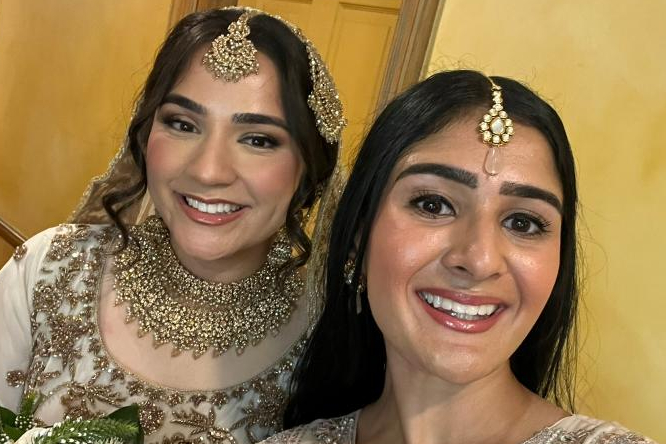
    Afterwards, I visited the hospice and showed my medal to the nurses and patients Id been looking after. I was particularly emotional and overwhelmed by the donations I received from family, friends, staff, patients and patients’ families – with messages including thank you for your kindness and care towards my sister” and thank you for being the best doctor Ive met.”

    Sana and I are proud to have raised over £2,600 for Pilgrims!

    Did you have any preconceptions/assumptions about hospice care before coming to Pilgrims? 

    I thought hospice care was only for those at the end of life; I imagined sick people who were very close to dying. I now know that it often starts much earlier, when life-limiting diagnoses are made. Not everyone comes to the hospice to die; symptom control is a key reason for referral, to help enable patients to live well in the community. Pilgrims has a dedicated team for community visits, which expands care beyond the hospice walls.

    Why is hospice care important?

    I practice the Sikh faith, and am inspired by many Sikh values in how I live my life. Core aspects of the Sikh ethos include the Panjabi terms sewa” (selfless service) and daya” (compassion).

    As hospices are almost completely charity funded, they are a prime example of sewa and daya, helping to better thousands of peoples lives and their experiences of end-of-life care, every single year.

    Not only do hospices support patients with life-limiting conditions with their physical symptoms, they also support both patients and families with the psychological challenges faced at such an emotional time.

    Why do we need to talk about death and dying, and how does Pilgrims help people to do this?

    I’m inspired by Bhagat Puran Singh Ji (1904-1992), a prominent Sikh personality who was a humanitarian and environmentalist. He founded Pingalwara in Amritsar, a refuge for the sick, disabled, destitute, and abandoned, which developed into a charity that continues to flourish, expand and serve hundreds of thousands.

    Bhagat Puran Singh Ji once stated: Dignity in death is a birthright of each living thing. His advocacy for death with dignity centered on ensuring that those who were terminally ill spent their final days in cleanliness, comfort, and love, without suffering – allowing them to die peacefully, cared for, and respected.

    I believe these teachings and acts of service that I have looked up to are naturally been embedded within Pilgrims’ vision and care. Pilgrims encourage patient and family involvement from the first assessment and beyond – ensuring that patient wishes and dignity are upheld to the best of our abilities. As a multidisciplinary team, we all strive to work together in assessing needs, prioritising patient comfort, providing wider support to family and friends, and ensuring patient wishes are at the forefront of everything we do.
    Pilgrims Hospices provides compassionate, specialist care free of charge to thousands of people in east Kent each year who are living with life-limiting conditions. Support is offered in patients’ homes, in the community, and at our three hospice sites in Canterbury, Thanet and Ashford. We also run a 24-hour advice line.

    9th November 2025

    What does faith mean to you? – Inter Faith Week 2025

    At Pilgrims Hospices, we care for people of all faiths and none, and Inter Faith Week gives us a wonderful opportunity to pause and celebrate the many ways faith can enrich our lives.


    Rev’d Cat Darkins, Lead Spiritual Care Chaplain, shares how Pilgrims Hospices accommodates cultural beliefs around death and dying

    Faith means different things to each of us. For some, it is rooted in prayer, ritual, or tradition; for others, it shines through in hope, kindness, or a deep belief in community. However we understand it, faith can lift us up, give us strength, and bring comfort during life’s most important moments.

    Every day in our hospices, we see how faith helps people find peace and connection – in quiet reflection, in the gentle support of our Spiritual Care Chaplains, in the beauty of a garden, or simply in the love of family and friends.

    Faith can be a source of strength and comfort, whatever form it takes – whether through a religious practice, a sense of community, or the values we carry in our hearts.

    Rev’d Cat Darkins, Lead Spiritual Care Chaplain at Pilgrims Hospices

    Inter Faith Week reminds us that, though our beliefs may be different, the values at their heart often unite us: love, dignity, compassion, and care for one another.

    Together, we can celebrate this shared humanity and the many ways faith, in all its forms, brings light and meaning to our world.

    Faith, in every form, is a reminder of the goodness we share.

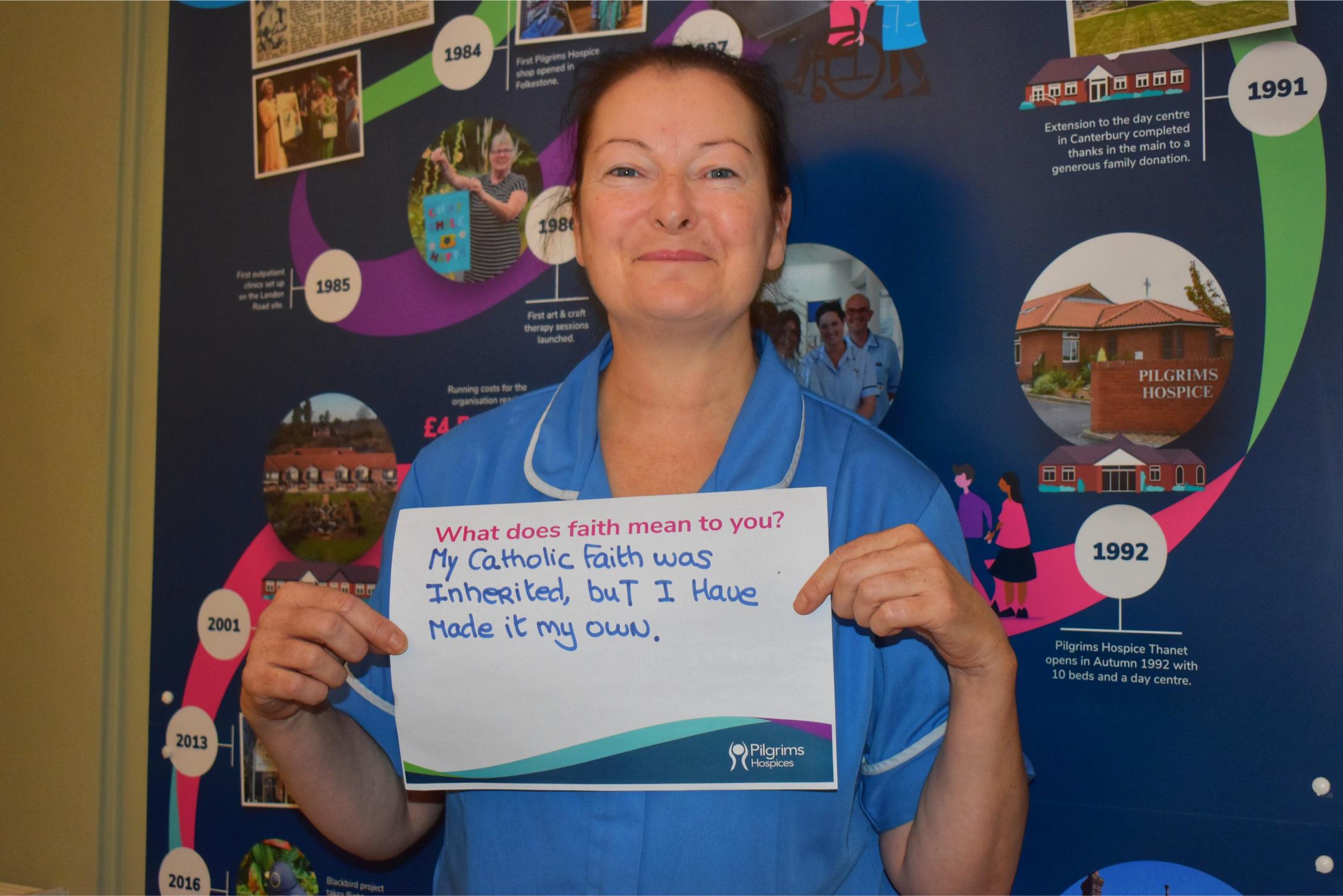
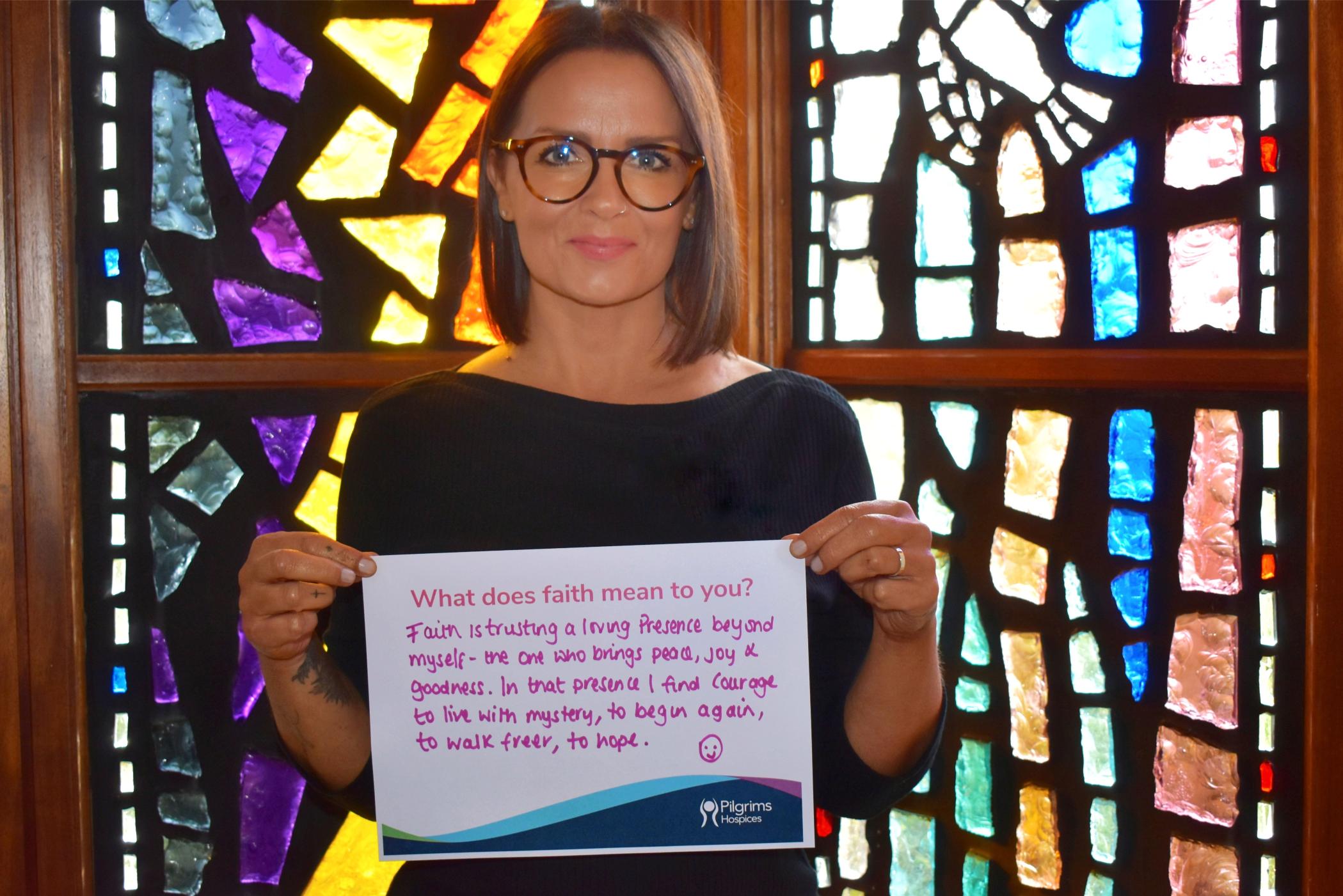
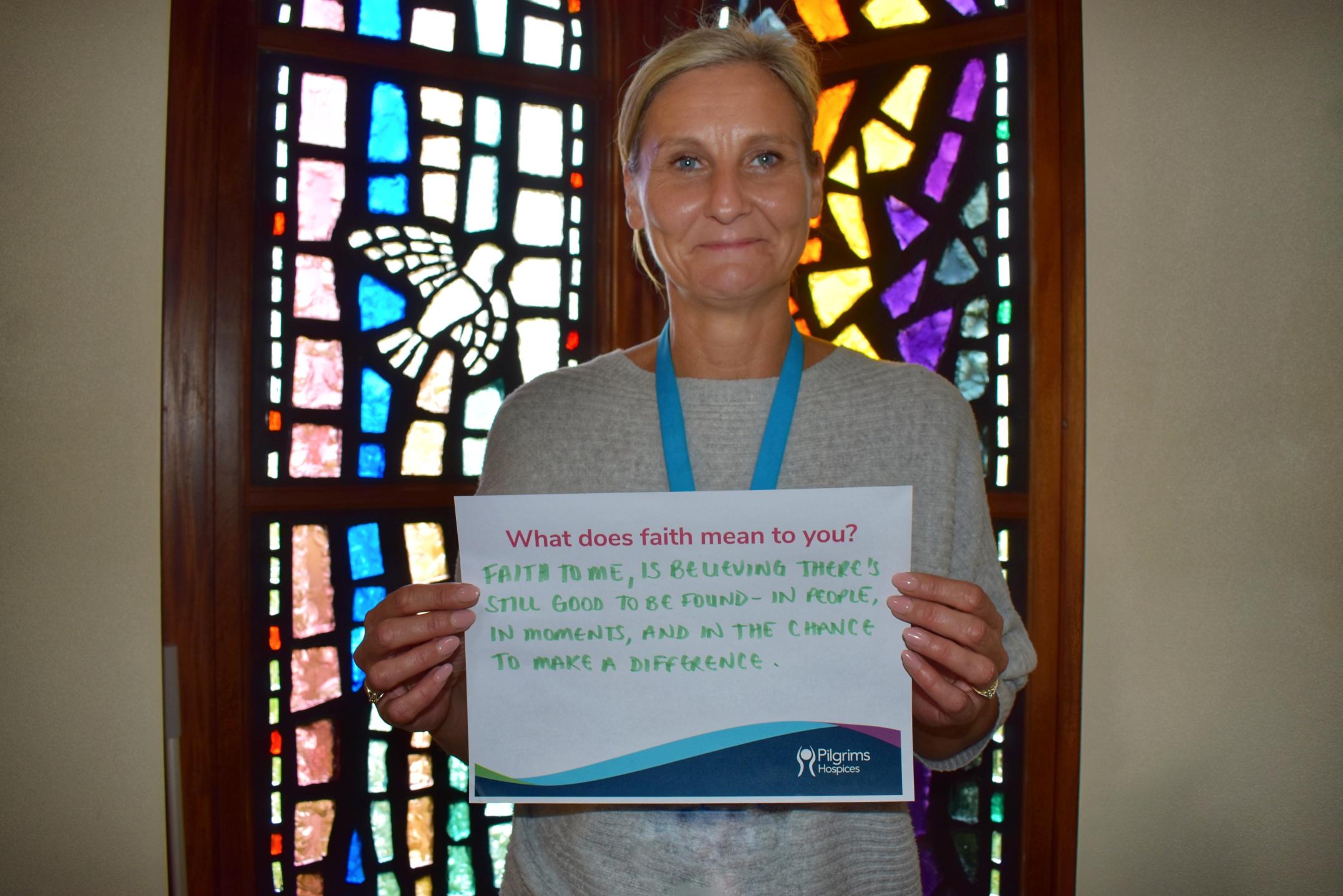
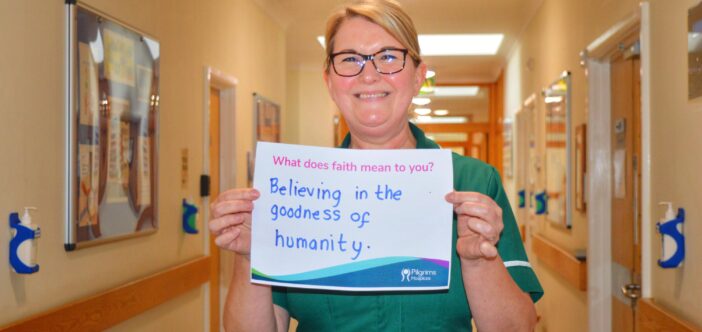
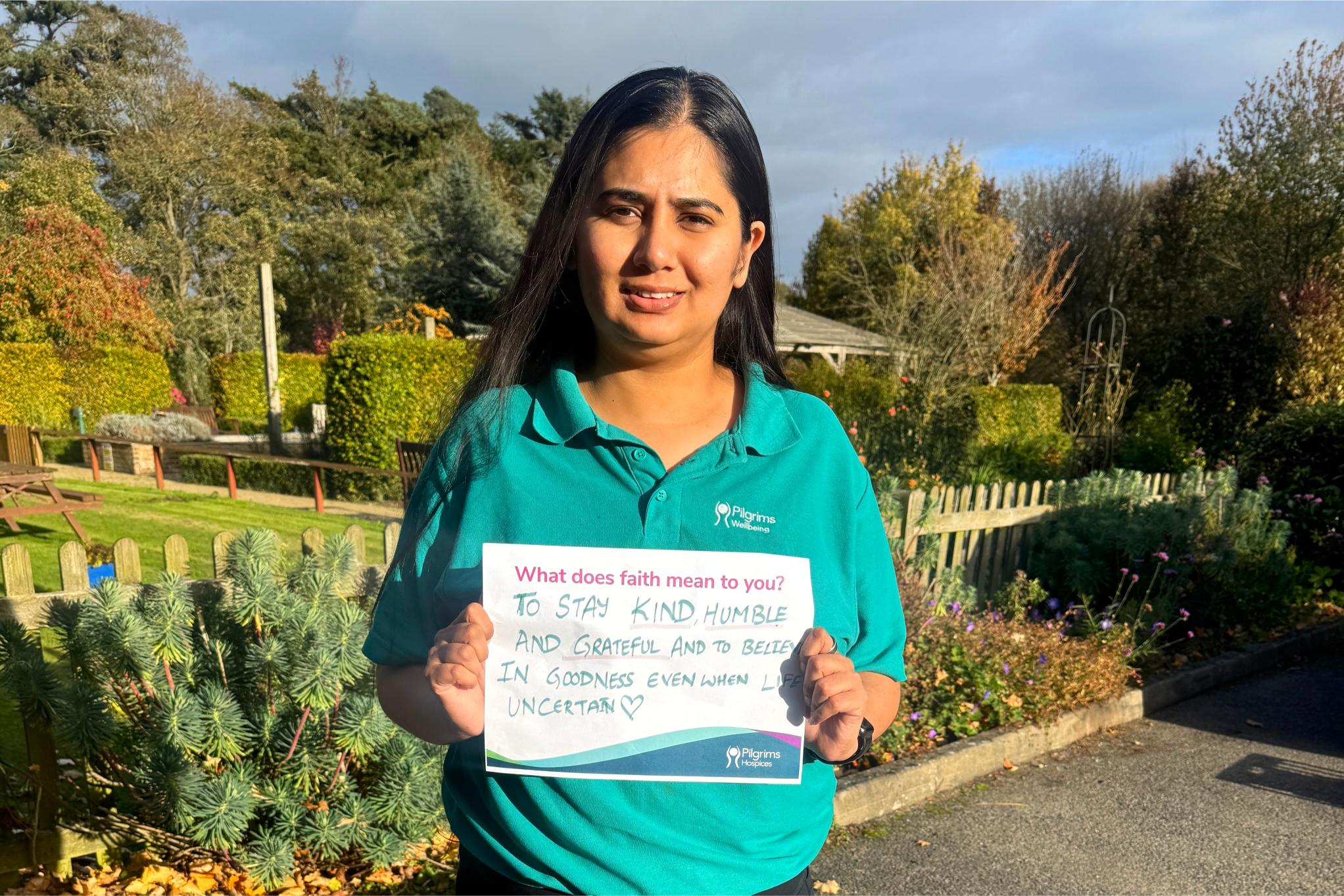
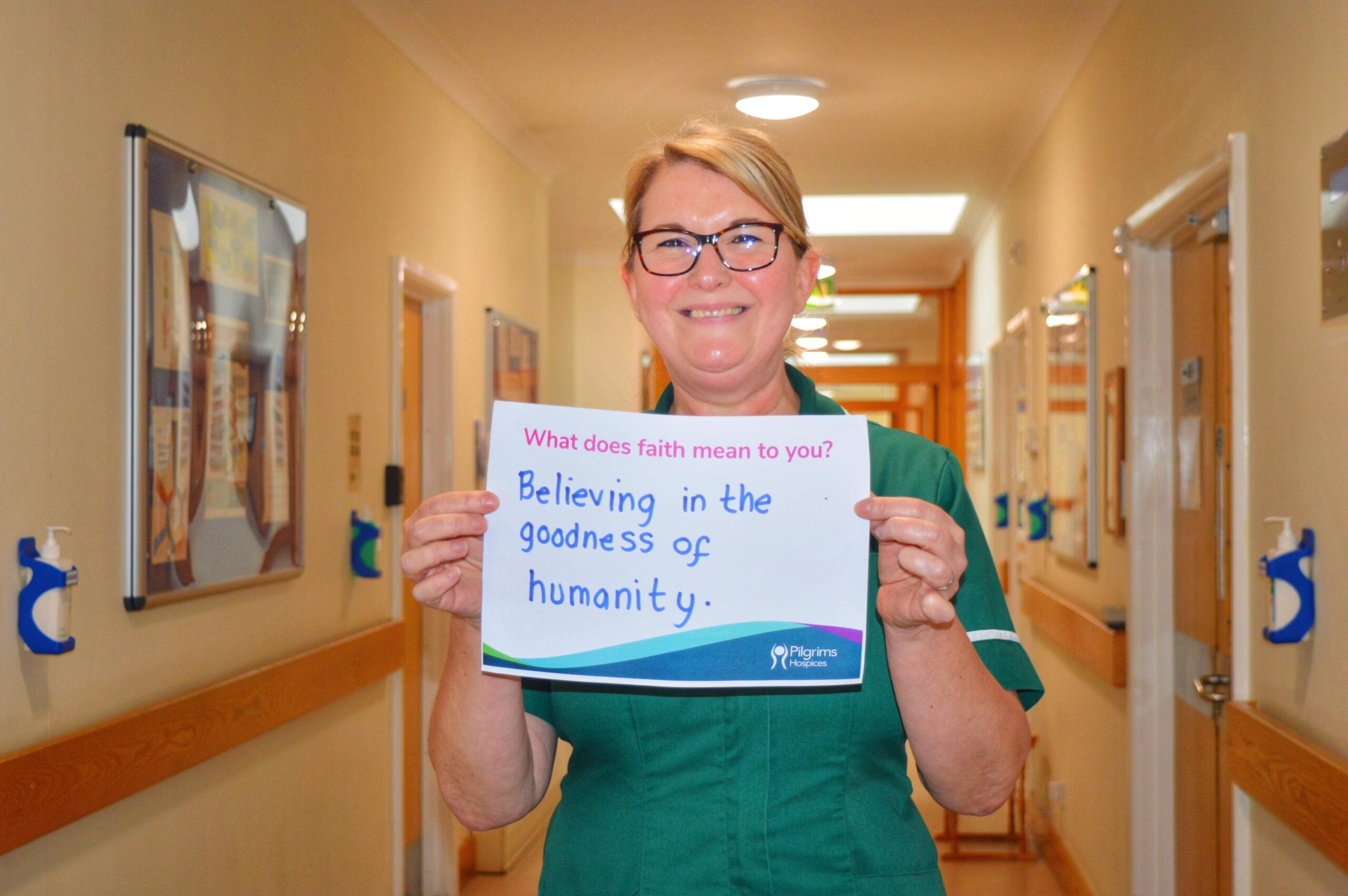
    Pilgrims Hospices staff share what faith means to them

    Visit pilgrimshospices.org/culture to discover how people across the world respond to and mark death and dying within different cultures.


    Each year, Pilgrims Hospices care for thousands of people across east Kent, with services provided from its three hospice sites in Ashford, Canterbury, and Thanet, as well as in patients’ own homes. It costs over £17.2 million annually to run these services, much of which comes from the generous support of the local community.

    14th November 2023

    Pilgrims promotes inclusivity and compassionate care through active participation in Inter Faith Week 2023

    Pilgrims Hospices will join the thousands of people and organisations participating in Inter Faith Week this year. Inter Faith Week 12–19 November 2023 is a fantastic opportunity to promote dialogue, understanding, and cooperation among various faith and belief groups. It’s heartening to see that a diverse range of entities, including faith and belief communities, interfaith organisations, voluntary organisations, schools, colleges, universities, youth groups, workplace chaplaincies, and more, are coming together to celebrate and highlight the importance of religious and cultural diversity.

    Inter Faith Week 12 – 19 November

    By participating in Inter Faith Week, Pilgrims Hospices can contribute to this important movement in several ways:

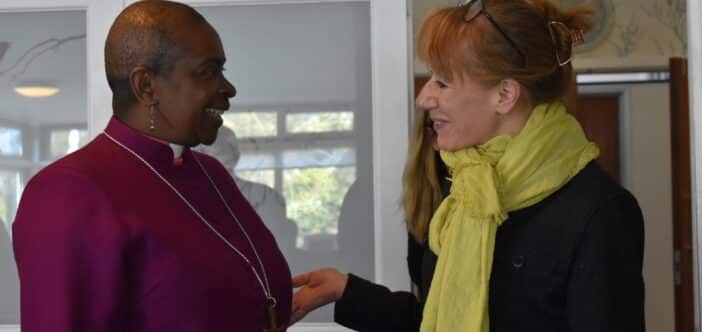
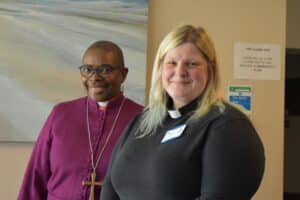
    Bishop Rose with Rev Cat Darkins

    Rev’d. Cat Darkins, Pilgrims Hospices Lead Spiritual Care Chaplain, said: “By showcasing inclusivity during Inter Faith Week, we are demonstrating that Pilgrims Hospices are open and inclusive to people of all faiths and beliefs and that the charity is committed to providing compassionate care to everyone, regardless of their background.

    “We are using this week as an opportunity to educate staff, volunteers, and the community about the diverse spiritual and cultural needs of patients and how to provide respectful and sensitive care.”

    Pilgrims Hospices are keen to foster connections and interact with representatives from different faith and belief communities to build connections and mutual understanding, potentially paving the way for future collaborations.

    Inter Faith Week is a fantastic opportunity for people of all faiths and beliefs to: mix and lean in neighbourhoods, workplaces, schools, universities, and other contexts; visit places of worship and their neighbours and find out why their faith matters to them; get past stereotypes and misunderstandings and increase religious literacy; celebrate; dialogue; and volunteer together to help their local community.”


    Canon Hilary Barber and Nardendra Wagela

    We seek to engage with the local community and participate in or host events that encourage understanding and unity, thus strengthening the bonds between the hospice and the community.

    Revd Angie Stupple

    Inter Faith Week begins each year on Remembrance Sunday, encouraging us to remember together the service of people with different backgrounds.  We wish to emphasise a message of peace and unity, especially in the context of Remembrance Sunday, to remember those who served and to highlight the importance of working together for a harmonious society.

    Inter Faith Week is an opportunity to celebrate diversity, promote dialogue, and emphasise the common values and principles shared by people of different faiths and beliefs. Pilgrims Hospices’ participation in this event aligns with the hospice’s mission of providing compassionate care and support to all individuals, regardless of their background, during their time of need.


    Each year, Pilgrims support thousands of local people coping with a life-limiting illness and their families. The charity offers a range of services, from end-of-life care given on its wards to its Wellbeing Programme, which supports people after they are diagnosed to live well and stay independent.


Go back